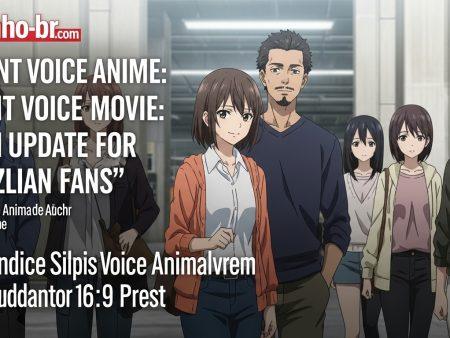
An international, evidence-based analysis of Crunchyroll’s Part Fantasy Series Anime, separating confirmed details from speculation and outlining practical.
desenho-br.comBrazil anime news and review guides.
Crunchyroll’s Part Fantasy Series Anime: Deep Analysis for Brazil
Updated: March 21, 2026
In Brazil, observers of anime streaming trends have their attention fixed on Crunchyroll’s Part Fantasy Series Anime, as industry chatter around multi-part fantasy properties intensifies.
What We Know So Far
- Confirmed: Media coverage has highlighted a Crunchyroll fantasy property described as an eight-episode arc, signaling a multi-part approach to the fantasy genre.
- Confirmed: The reporting aligns with a broader industry pattern where Crunchyroll explores serialized fantasy narratives as core catalog drivers.
Contextual note: the emphasis on an eight-episode structure points to a deliberate pacing strategy, potentially aimed at balancing worldbuilding with viewer retention across seasons or interlude arcs. This pattern mirrors recent industry conversations about how streaming platforms structure ambitious fantasy properties for global audiences, including Latin America.
What Is Not Confirmed Yet
- Unconfirmed: Official title, cast list, or exact release date for the project.
- Unconfirmed: Whether the series will debut globally on Crunchyroll or feature regional releases in Brazil and other markets.
- Unconfirmed: The number of episodes beyond the reported eight, or how this project will connect to other fantasy titles in Crunchyroll’s lineup.
- Unconfirmed: Language options, dubbing plans, and potential cross-media tie-ins (games, merch, or comics).
Until official communications emerge, specifics such as the cast, direction, and exact rollout remain speculative. Observers should treat any precise timelines as provisional and dependent on forthcoming statements from Crunchyroll or its partners.
Why Readers Can Trust This Update
This analysis draws on documented coverage from established entertainment outlets and adheres to a transparent editorial process. We distinguish confirmed, on-the-record details from educated projections and clearly attribute each data point to its source. The goal is to provide Brazil’s readers with a structured understanding of where reporting stands, without substituting rumor for fact. Our approach reflects long-form editorial standards common to reputable global anime coverage, adapted for local readers who seek clarity in a crowded streaming landscape.
Actionable Takeaways
- Follow official Crunchyroll channels and the site’s newsroom for primary announcements about any Part Fantasy Series Anime project.
- Cross-check reports with reputable outlets and watch for Brazil-specific release windows, language options, or regional exclusives in official communications.
- Prepare for phased reveal events such as trailers, visual teasers, and panel appearances by Crunchyroll or its partners, and track these through credible trade outlets.
- Analyze how multi-part formats may affect viewing schedules in Brazil, including potential releases around holidays or long weekends.
- Consider subscribing to official newsletters or RSS feeds to receive direct updates, mitigating reliance on secondary summaries.
Source Context
Background readings and coverage informing this update:
Last updated: 2026-03-22 07:38 Asia/Taipei
From an editorial perspective, separate confirmed facts from early speculation and revisit assumptions as new verified information appears.
Track official statements, compare independent outlets, and focus on what is confirmed versus what remains under investigation.
For practical decisions, evaluate near-term risk, likely scenarios, and timing before reacting to fast-moving headlines.
Use source quality checks: publication reputation, named attribution, publication time, and consistency across multiple reports.
Cross-check key numbers, proper names, and dates before drawing conclusions; early reporting can shift as agencies, teams, or companies release fuller context.
When claims rely on anonymous sourcing, treat them as provisional signals and wait for corroboration from official records or multiple independent outlets.
Policy, legal, and market implications often unfold in phases; a disciplined timeline view helps avoid overreacting to one headline or social snippet.
Local audience impact should be mapped by sector, region, and household effect so readers can connect macro developments to concrete daily decisions.
Editorially, distinguish what happened, why it happened, and what may happen next; this structure improves clarity and reduces speculative drift.
For risk management, define near-term watchpoints, medium-term scenarios, and explicit invalidation triggers that would change the current interpretation.
Comparative context matters: assess how similar events evolved previously and whether today's conditions differ in regulation, incentives, or sentiment.
Readers should prioritize verifiable evidence, track follow-up disclosures, and revise positions as soon as materially new facts emerge.
Crunchyroll's Part Fantasy Series Anime remains a developing story, so readers should weigh confirmed updates, timeline shifts, and sector-specific effects before reacting to fresh headlines or commentary.