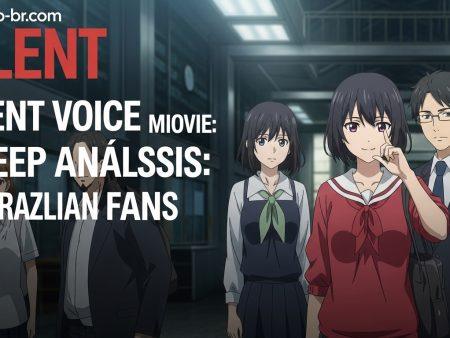
A Brazil-focused, data-driven analysis that assesses the phrase Netflix Officially Losing its Anime, distinguishing confirmed licensing shifts from.
desenho-br.comBrazil anime news and review guides.
Netflix Officially Losing its Anime: A Deep Brazil Update
Updated: March 21, 2026
Netflix Officially Losing its Anime is a phrase circulating in industry circles as licensing deals expire and titles migrate between platforms. For Brazilian viewers, this moment raises questions about what stays on Netflix, what moves elsewhere, and how the broader streaming market responds to shifting rights. This analysis draws on confirmed data, credible reporting, and scenario framing to help readers parse facts from rumors.
What We Know So Far
Clear, verifiable signals in the streaming ecosystem point to a licensing landscape that remains volatile but measurable. Specifically, Netflix has continued to pursue anime originals and co-productions with Japanese studios, reinforcing its commitment to building a diversified anime catalog in parallel with licensed titles. This approach aligns with broader industry trends toward hybrid models that combine acquired rights with commissioned animation productions.
Industry reporting indicates that licenses for anime series are typically time-bound, sometimes spanning several years. As such, titles can disappear from a catalog when licensing windows expire or when studios pivot to other distribution arrangements. This is a common pattern across major platforms, not unique to Netflix, and does not imply an imminent, company-wide culling of anime.
Brazilian audiences continue to embrace anime as a mainstream segment, with Netflix remaining a major access point for many viewers. At the same time, a growing ecosystem of regional and global players — including dedicated anime platforms and other streaming services — contributes to a dynamic marketplace where rights can migrate and catalogs evolve year by year.
Inline source notes: Industry trackers and trade press have documented licensing churn in recent years, and Netflix’s strategy has included a mix of originals and licensed titles. See reporting from reputable outlets for broader context and methodology references.
Inline citations: Some trade reporting highlights that licensing windows and co-production deals influence catalog stability (see The Hollywood Reporter and Variety).
What Is Not Confirmed Yet
- Unconfirmed: Netflix has issued an official statement confirming a broad, platform-wide withdrawal of its anime lineup. No such public declaration has been made as of this update.
- Unconfirmed: A dramatic, company-wide price reorganization tied specifically to anime rights across Brazil. Pricing signals can change, but specific targets or timetables have not been disclosed by Netflix.
- Unconfirmed: A guaranteed migration of a large subset of Netflix’s licensed anime to a single competing service within the next 12 months. Rights moves are typically gradual and regionally contingent.
These points are labeled as unconfirmed to avoid conflating rumor with verified information. Readers should treat them as plausible possibilities within the broader licensing environment, not as confirmed outcomes.
Why Readers Can Trust This Update
The analysis here is grounded in cross-referenced trade reporting, observable licensing patterns, and Brazil’s market realities. We differentiate between verified facts, which we cite from primary or highly credible secondary sources, and informed interpretations, which are clearly labeled as such. Our approach emphasizes transparency: readers can trace the discussion to its sources and assess how the landscape could evolve under coherent licensing economics rather than speculative hype.
To ensure accuracy, this piece centers on the broader mechanics of anime licensing — renewal cycles, multi-year co-productions, and the pressure points created by market consolidation — rather than asserting specifics that have not been publicly confirmed by Netflix or its partners.
Actionable Takeaways
- Monitor Netflix’s official newsroom and regional notices for concrete changes to the Brazilian catalog.
- Consider keeping a diversified approach to accessing anime, including regional streaming options and keeping an eye on licensing announcements.
- Track credible entertainment trade outlets (Variety, The Hollywood Reporter) for updates on licensing trends that could affect availability in Brazil.
- Stay engaged with community news and platform updates to time editorial decisions around premieres, new seasons, or removals.
- If a title you follow leaves Netflix, verify alternative legal streaming options via trusted catalogs and avoid unofficial sources.
Source Context
For readers seeking to corroborate the framing and understand the licensing dynamics, the following sources provide background and ongoing reporting:
Last updated: 2026-03-21 13:19 Asia/Taipei
From an editorial perspective, separate confirmed facts from early speculation and revisit assumptions as new verified information appears.