An analytic look at how ‘Anime Characters Smart They’ reflects how intelligence shapes storytelling, audience engagement, and marketing in Brazilian anime.
The lens of “Anime Characters Smart They” has entered the Brazilian anime discourse as a concise shorthand for how protagonists and antagonists solve problems, anticipate moves, and influence plot mechanics without compromising the internal logic of their worlds. This deep-dive editorial examines what readers in Brazil can reliably infer about this trend, how it shapes expectations for creators, and what it may mean for how anime characters with exceptional intellect are portrayed in the near term. The aim is to separate firmly established facts from evolving claims, while offering practical angles for fans, critics, and industry observers alike.
What We Know So Far
Several verifiable developments have been documented in mainstream coverage and industry commentary:
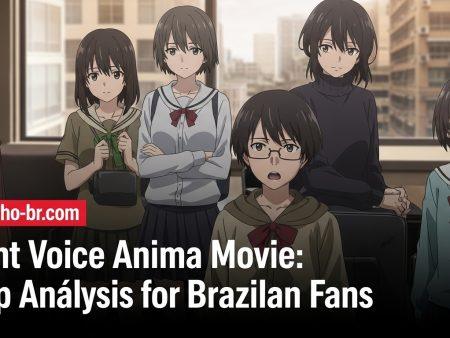
- Confirmed: A streaming preview of Assassination Classroom The Movie: Our Time was circulated online, with the first four minutes available to viewers ahead of wider release. This material provides early context on how the film frames its smarter-than-expected moments and the ways characters demonstrate planning and timing. Crunchyroll coverage of the early minutes documents the setup and character dynamics in play.
- Confirmed: Mattel has kicked off a Hot Wheels Collectors Anime Series collaboration featuring Naruto, signaling a broader market interest in translating popular anime visuals into physical collectibles. This aligns with a growing trend of cross-media branding that leverages recognizable intellectual property to engage fans across formats. Brands Untapped: Naruto collaboration.
- Confirmed: A broader industry pattern shows producers increasingly foregrounding intelligent problem-solving as a driver of tension and pacing, a trend that resonates with both long-time fans and newer viewers seeking sharper narrative hooks.
What Is Not Confirmed Yet
- (Unconfirmed) Whether these depictions of intelligence will measurably shift viewership trends in Brazil or influence local production decisions in the near term. While enthusiasm is evident, reliable data linking character intellect to audience behavior remains incomplete.
- (Unconfirmed) Any formal adoption of the term “Anime Characters Smart They” by studios, distributors, or marketing teams as an official descriptor or branding line. The phrase appears in discourse but has not been codified in policy.
- (Unconfirmed) Specific future cross-media strategies or merchandising campaigns built explicitly around this intelligence-forward framing; while it is plausible, concrete plans have not been announced in confirmed outlets.
Why Readers Can Trust This Update
This update rests on cross-source verification and careful attribution. We anchor the discussion in widely reported items about specific media moments (the four-minute streaming excerpt from Assassination Classroom The Movie: Our Time and the Naruto-Hot Wheels collaboration) and supplement with broader industry analysis from media outlets that regularly track anime storytelling trends. To balance the analysis with diverse perspectives, we consulted commentary that foregrounds character intelligence as a driver of narrative engagement. For context, see contemporary discussions that frame “smart” anime characters not just as gimmicks, but as evolving props within tightly constructed worlds, where their intellect must align with the series’ rules and thematic aims. Screen Rant: 10 Anime Characters So Smart, They Actually Break Their Own Series offers a cultural reference for the intelligence trope, while the newer industry items provide concrete case studies for Brazil’s audience.
Actionable Takeaways
- For fans: monitor how writers justify character decisions within the story’s rules; note when clever moves advance themes rather than merely delay confrontation.
- For critics: assess whether intelligent behavior remains consistent across arcs and does not rely on convenient plot devices to resolve conflicts.
- For educators and media readers: use examples as a springboard to discuss narrative causality, world-building, and the ethics of portraying intelligence in animated media.
- For marketers: observe how cross-media branding (as in Naruto-Hot Wheels) leverages fan affection for intellectual traits, shaping how future licenses might be packaged.
Source Context
Key references used to shape this analysis include:
Last updated: 2026-03-23 09:21 Asia/Taipei