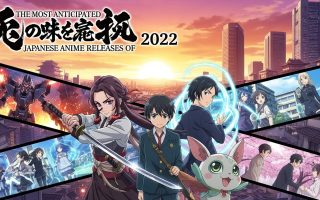
In Brazil, the buzz around akane-banashi Anime Brazil sits at the intersection of streaming access, licensing strategies, and evolving fan culture. As the show prepares for wider distribution in Latin America and the Brazilian market, analysts and fans alike watch how it adapts to local tastes, dubbing practices, and release cadences that could redefine what a regional rollout looks like. This analysis examines the structural factors shaping akane-banashi’s reception in Brazil, the implications for local communities, and what the rollout signals for future cross-border anime strategies.
Industry Context and Positioning
The Brazilian anime audience has matured alongside a crowded streaming ecosystem. Platforms compete for visibility, and regional rights deals increasingly determine which titles reach Brazilian screens with Portuguese-language assets. The promotional push for akane-banashi—announced trailer content, an opening song, and a rollout that spans North and Latin America—reads like a test case for how a title migrates from global marketing to localized adoption. In Brazil, success hinges on accessibility: fast availability in Portuguese, high-quality subtitles, and a release cadence that fits local viewing patterns. The show’s ability to cut through will depend not only on international promotion but also on how regional distributors commit to Portuguese localization and targeted marketing. If this rollout succeeds, it could recalibrate expectations for cross-border anime launches in Brazil and set new benchmarks for regional licensing strategies.
Brazil’s market has shown a willingness to embrace niche anime titles when the value proposition is clear—reliable streaming access, authentic language options, and culturally resonant engagement. akane-banashi’s strategy, including a detailed trailer cadence and a recognizable musical opening, signals more than a single release window. It implies a coordinated approach across multiple platforms and languages, with a focus on sustaining discovery beyond the initial trailer moment. For Brazilian viewers, the effect is twofold: a clearer path to legitimate access and a heightened expectation that localized content will accompany global releases rather than trail them.
Cultural Translation and Language Accessibility
Localization is not a mere afterthought; it is a determinant of whether a show lands with impact in Brazil. Brazilian fans often rely on a combination of subtitled and dubbed content, and the quality of translation can shape everything from humor to cultural context. akane-banashi’s humor, pacing, and social references require careful handling to preserve intent while making jokes and situational cues relatable for Portuguese-speaking audiences. A well-executed Portuguese dub, paired with accurate subtitles, can broaden the show’s appeal across diverse Brazilian demographics—from long-time anime enthusiasts to newer viewers who engage primarily through mobile devices and social feeds.
Beyond language, localization touches on marketing tone, character naming, and even the cadence of episode releases. Brazilian consumers respond to messaging that reflects local sensibilities and humor. The success of this title may hinge on whether the production partners pair the original voice work with culturally attuned localization that respects the source material while translating it into a distinctly Brazilian experience. This balancing act will influence not only immediate reception but also long-term brand trust in Latin American markets for subsequent titles from the same rights holders.
Market Signals in Brazil
Brazil’s streaming landscape continues to evolve, with a growing appetite for anime that blends universal storytelling with local relevance. The akane-banashi rollout—framed as a cross-border release with regional streaming options—offers a window into how Brazilian distributors gauge demand for titles that may not be top-tier blockbusters but hold significant potential for niche audiences. Key market signals include watch-time per episode, completion rates for subtitled and dubbed tracks, and engagement metrics across Brazilian social platforms. If early indicators show strong completion rates and active fan discourse, Brazilian platforms may accelerate further localization efforts, negotiate broader rights, or bundle related content (such as manga tie-ins or creator interviews) to sustain interest over time.
Another dynamic is the balance between licensing flexibility and price sensitivity in Brazil. Local streaming markets favor models that maximize accessibility—affordable price points, multi-language options, and offline viewing. A title like akane-banashi could become a bellwether for how flexible licensing and regional pricing influence the breadth of its audience. Moreover, success in Brazil could encourage publishers to invest more in Lusophone markets, leveraging Brazilian fan energy to drive broader Latin American adoption and, potentially, Portuguese-language content partnerships beyond entertainment, including educational or cultural programming tied to anime aesthetics and storytelling traditions.
Actionable Takeaways
- Prioritize high-quality Brazilian Portuguese dubbing and accurate Portuguese subtitles from day one to ensure accessibility and positive viewer experience.
- Coordinate release windows with Brazilian time zones and consumer behavior, leveraging weekends and holidays for peak engagement while maintaining consistent updates for sustained interest.
- Engage Brazilian influencers and creators for trailer reactions, discussions, and localized promo content to strengthen word-of-mouth momentum.
- Develop cross-media tie-ins in Brazil (manga, merchandise, and live events) to deepen engagement and create local revenue streams tied to the title.
- Monitor Brazilian social sentiment and feedback to inform ongoing localization decisions, future titles, and region-specific marketing strategies.
Source Context
The following sources inform this analysis and provide additional context on the akane-banashi rollout and regional considerations: