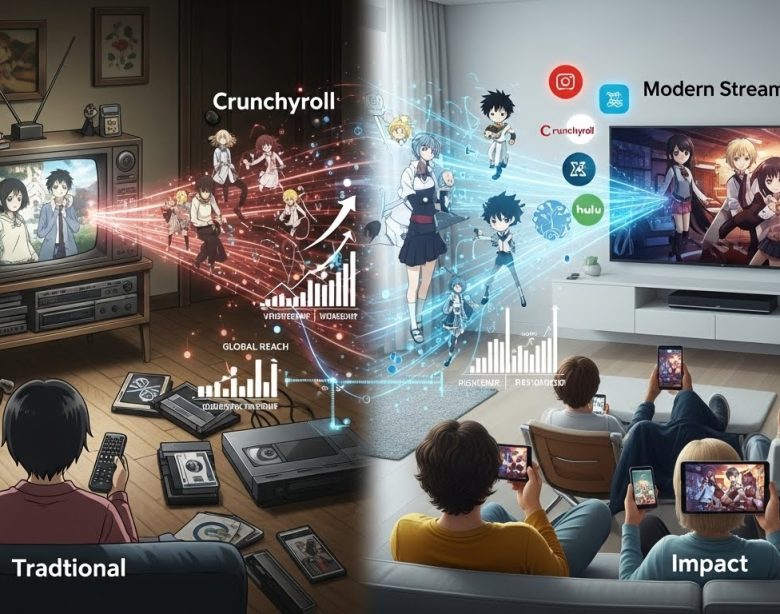
In Brazil’s rapidly shifting entertainment and betting ecosystems, betting Anime Brazil sits at the intersection of fandom, risk, and policy. The nascent trend of wagering tied to anime-adjacent events—whether streaming partnerships, fan-driven fantasy leagues, or platform-based micro-bets—offers a window into how Brazilian consumers engage with media and navigate policy changes in a tightening regulatory climate.
Regulatory currents and fiscal pressures
Brazil’s policy debate on gambling remains cautious, with authorities weighing consumer protection, anti-money-laundering measures, and tax collection. For operators and content creators in betting-related anime spaces, this translates into higher compliance costs, tighter ad restrictions, and near-term uncertainty about sponsorship ceilings. The net effect is a push to formalize offerings, raise user verification standards, and re-price risk for audiences that previously engaged in informal betting.
Analysts note that these shifts tend to compress margins and slow the pace of experimentation. Yet they also push platforms toward transparent disclosures, new licensing models, and partnerships with more traditional media buyers who_value_ risk controls and verifiable audience data.
Sponsorships and market dynamics
Industry observers have observed a contraction in large, high-visibility sponsorships as operators reassess the tax burden and compliance overhead associated with Brazilian sponsorship ecosystems. That pressure reverberates through anime-centered communities that previously relied on partnerships with streaming services, content creators, and event organizers tied to competitive or fan-driven events. The result is a diversification of revenue models, with smaller sponsors, co-branded merchandise, and community-led events becoming more prominent.
For content creators and event organizers, this implies a shift from reliance on a single revenue stream toward modular deals that align with audience growth, data transparency, and credible attribution. It also invites closer collaboration with platforms that can deliver verifiable engagement metrics rather than broad reach estimates.
Audience behavior and risk awareness
Brazilian fans of anime and betting ecosystems are increasingly discerning about risk and return. As oversight tightens, platforms are under pressure to enhance responsible-gaming tools, clear odds disclosures, and robust identity checks. The demographic tilt of many anime communities—digital natives who multitask across streaming, social media, and micro-betting interfaces—heights the need for user education and age-verification safeguards. In practical terms, this means more prominent warnings, controls on loss limits, and better guidance about the volatility of episodic or event-linked bets.
Looking forward, the interplay between consumer education and platform design may determine how quickly “gamified” anime experiences move from novelty to a sustainable part of the cultural economy.
Cross-border betting platforms and payment rails
Brazil’s expanding digital payments landscape—led by rapid growth in instant settlement rails—creates new avenues for betting-related anime initiatives. The Pix system has accelerated domestic transactions, while traditional card networks remain central for many users. Together with local fintech innovations, these rails enable localized experiences for Brazilian fans while also enabling cross-border offerings under cautious regulatory guardrails. Operators must navigate consumer-protection norms, tax compliance, and data-security expectations as they consider expanding beyond domestic audiences.
Actionable Takeaways
- Regulators and operators should collaborate to define licensing pathways that reduce uncertainty for anime-related betting partnerships while maintaining consumer protections.
- Platforms must enhance responsible-gaming features, KYC, and clear odds disclosures to build trust among Brazilian fans.
- Content creators and event organizers should diversify sponsorships beyond traditional sports to stabilize revenue in tighter regulatory environments.
- Fans should verify platform credibility, use official channels, and engage with age-verified experiences to minimize risk.
- Policymakers should balance consumer protection with innovation by supporting compliant, transparent markets that support cultural ecosystems like anime and gaming.
Source Context
Context and further reading:
From an editorial perspective, separate confirmed facts from early speculation and revisit assumptions as new verified information appears.
Track official statements, compare independent outlets, and focus on what is confirmed versus what remains under investigation.
For practical decisions, evaluate near-term risk, likely scenarios, and timing before reacting to fast-moving headlines.