A Journey Through Time: The Impact of Historical Events on Japanese Anime
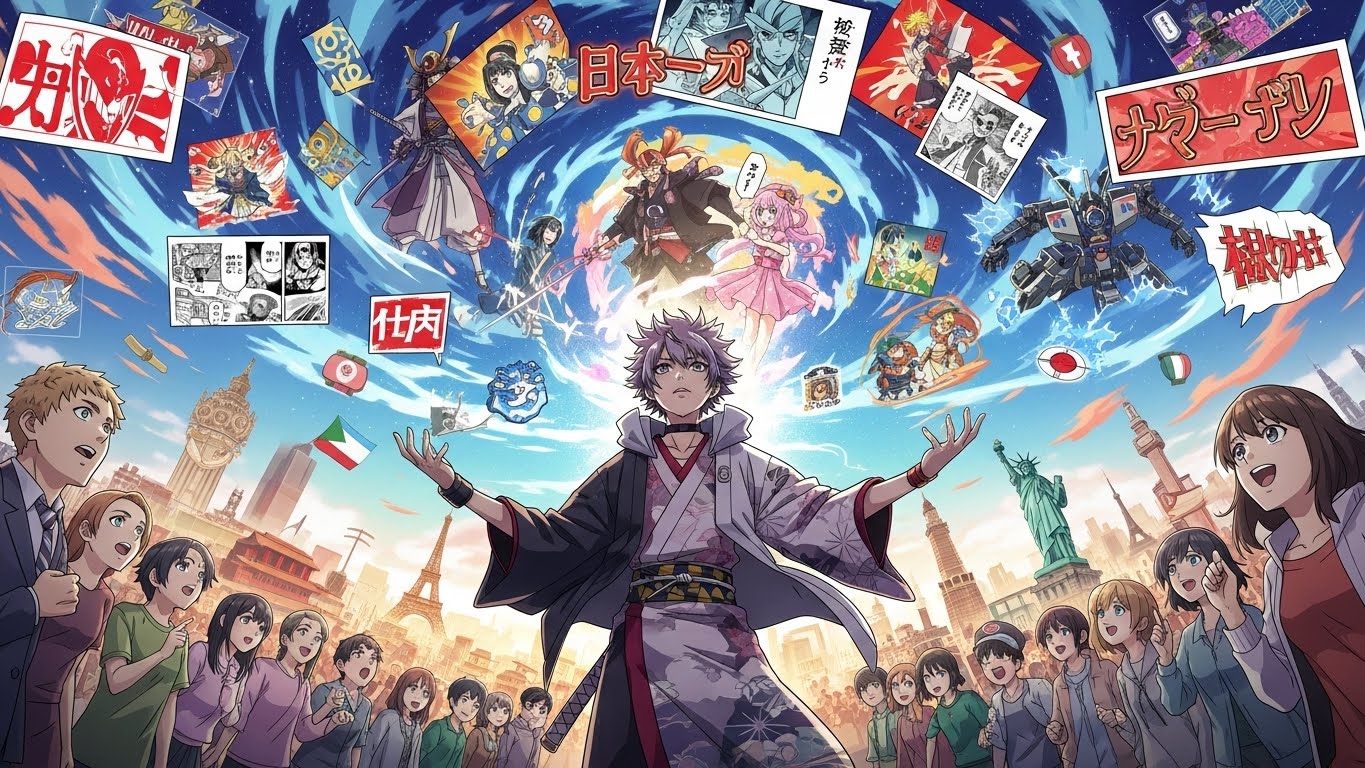
Japanese anime has captivated audiences worldwide with its vibrant art style, compelling storylines, and unique cultural elements. However, beneath its colorful surface lies a rich tapestry woven from Japan’s own historical events. This journey through time explores how significant moments in history have shaped and influenced the world of anime, providing depth and context to this beloved art form.
The Roots of Anime: Post-War Japan and the Birth of a Cultural Phenomenon
The origins of anime can be traced back to the aftermath of World War II, a period marked by devastation and recovery. During this time, Japan underwent a profound transformation, both economically and culturally. As the nation rebuilt itself, a desire for new forms of entertainment emerged. In this context, anime found fertile ground.
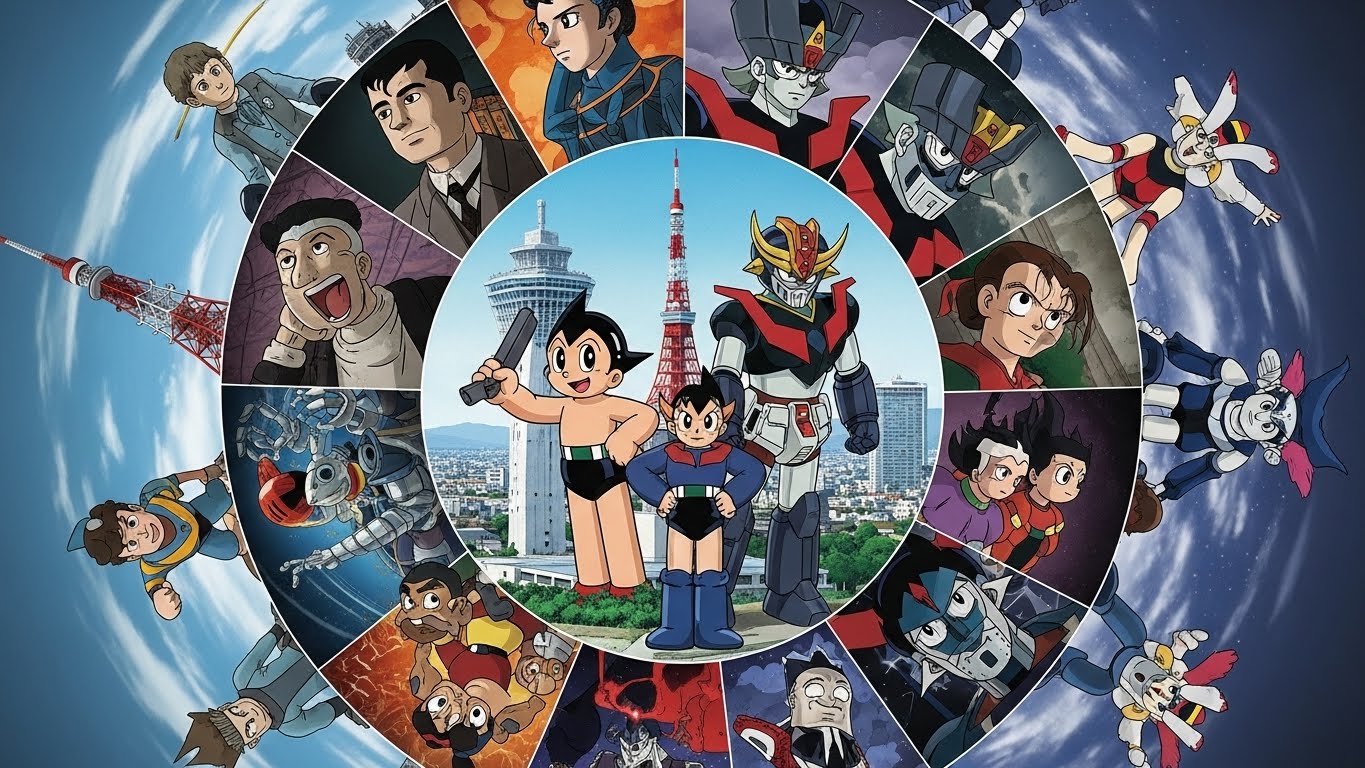
The influence of Western culture, particularly American animation, played a crucial role in shaping early anime. Japanese creators like Osamu Tezuka, often referred to as the “God of Manga,” drew inspiration from Disney films. Tezuka’s work, such as the iconic “Astro Boy,” laid the groundwork for modern anime, blending Western animation techniques with uniquely Japanese storytelling elements.
During the 1960s and 1970s, anime began to evolve beyond its Western influences, embracing darker and more complex themes. This period of experimentation reflected Japan’s grappling with its post-war identity and the rapid societal changes that accompanied its economic boom.
The Economic Miracle and the Rise of Mecha
Japan’s “Economic Miracle” in the post-war era marked a period of unprecedented growth, transforming the nation into a global economic powerhouse. This era of prosperity and technological advancement had a profound impact on anime, particularly in the emergence of the mecha genre.

Mecha, featuring giant robots and advanced technology, became a symbol of Japan’s industrial prowess. Series like “Mobile Suit Gundam” and “Neon Genesis Evangelion” explored complex themes such as existentialism, war, and the consequences of technological advancement. These narratives resonated with audiences in a rapidly modernizing society, reflecting both their aspirations and anxieties.
Furthermore, mecha anime often drew parallels with Japan’s own history of militarization and its contemporary role on the global stage. The genre’s exploration of human-machine relationships and the moral dilemmas of technological progress mirrored real-world debates on Japan’s military and technological capabilities.
Social Movements and the Emergence of Diverse Narratives
The latter half of the 20th century saw significant social movements in Japan, including changes in gender roles and increased awareness of environmental issues. These societal shifts influenced anime narratives, giving rise to diverse and inclusive storytelling.
Anime like “Sailor Moon” and “Revolutionary Girl Utena” challenged traditional gender norms, presenting strong female protagonists and exploring themes of identity and empowerment. These series resonated with audiences both in Japan and internationally, contributing to the growing popularity of anime among diverse demographics.
Environmental concerns also found expression in anime. Works such as “Nausicaä of the Valley of the Wind” and “Princess Mononoke” by Studio Ghibli tackled issues of environmental degradation and the delicate balance between humanity and nature. These films not only captivated viewers with their stunning visuals but also conveyed powerful messages about the importance of environmental stewardship.
Historical Retellings and Cultural Heritage
Japanese history itself has served as a rich source of inspiration for anime creators. Historical retellings and adaptations allow anime to explore Japan’s cultural heritage, providing audiences with a deeper understanding of the nation’s past.
Series like “Rurouni Kenshin” and “Sengoku Basara” transport viewers to different eras, from the tumultuous Meiji Restoration to the Sengoku period. Through these narratives, anime not only entertains but also educates, offering insights into historical events and figures.
Additionally, anime often incorporates traditional Japanese art forms, such as ukiyo-e and kabuki, into its visual style and storytelling. This blending of old and new elements creates a unique aesthetic that celebrates Japan’s cultural legacy while pushing the boundaries of modern animation.
Globalization and the Future of Anime
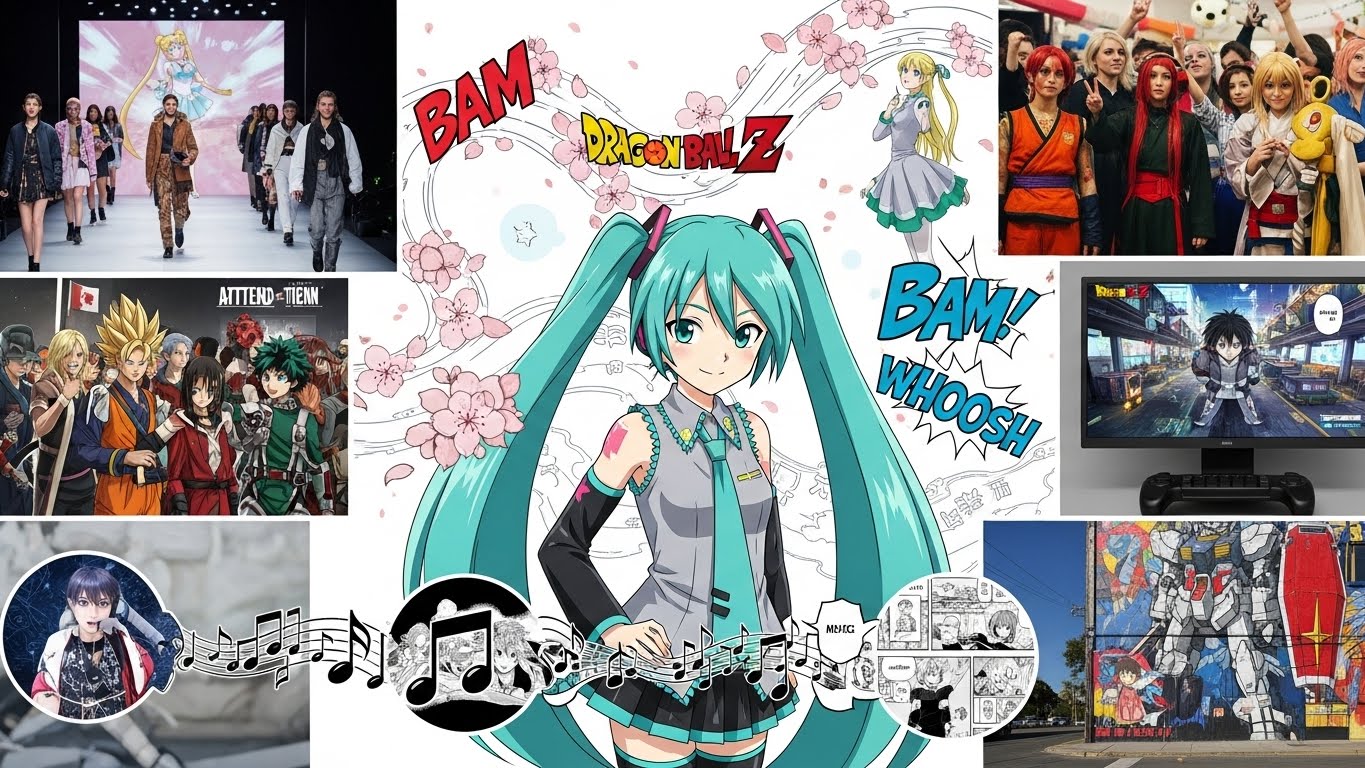
In recent decades, globalization has played a pivotal role in the evolution of anime. The increasing interconnectedness of the world has facilitated the spread of anime beyond Japan’s borders, leading to its immense popularity on an international scale.
The global anime community has fostered cross-cultural exchanges, influencing both the content and production of anime. International collaborations, such as Netflix’s involvement in original anime productions, have expanded the reach and diversity of anime storytelling. This trend reflects a broader shift towards inclusivity and cultural exchange in the entertainment industry.
Looking ahead, anime continues to evolve, embracing new technologies and storytelling techniques. As Japan navigates its place in an ever-changing world, anime will undoubtedly reflect the nation’s ongoing social, cultural, and technological transformations.
Conclusion: Anime as a Reflection of Japan’s Journey
Japanese anime is more than just entertainment; it is a reflection of Japan’s journey through history. From its post-war origins to its current status as a global phenomenon, anime has been shaped by the nation’s historical events, cultural shifts, and societal debates. By examining the impact of these influences, we gain a deeper appreciation for the art form and its enduring appeal.
As anime continues to captivate audiences worldwide, it serves as a powerful medium for storytelling, education, and cultural exchange. Whether exploring futuristic worlds or retelling historical events, anime remains a testament to Japan’s rich cultural heritage and its ongoing journey through time. For those interested in exploring the depths of this fascinating industry further, resources such as Anime News Network offer a wealth of information and insights into the world of Japanese anime.
The Impact of Technological Advancements on Anime Production
Technological advancements have significantly influenced the production and distribution of anime, shaping the industry into what it is today. The transition from traditional hand-drawn techniques to digital animation has revolutionized the creative process, increasing efficiency and opening new avenues for artistic expression.
Digital tools have allowed animators to experiment with a variety of styles and effects, leading to visually stunning works that captivate audiences. One notable example is the use of computer-generated imagery (CGI) in productions like “Ghost in the Shell” and “Attack on Titan,” which showcase intricate details and dynamic action sequences that were previously difficult to achieve.
Moreover, the rise of the internet and streaming platforms has democratized access to anime, reaching a global audience with unprecedented ease. Services like Crunchyroll and Netflix have become major players in anime distribution, providing fans worldwide with access to a vast library of content. This shift has not only increased the popularity of anime but also encouraged the production of diverse and innovative series that cater to a broad range of tastes.
The Influence of Japanese Cultural Elements in Anime
Anime is deeply rooted in Japanese culture, incorporating elements that reflect the nation’s traditions, beliefs, and societal norms. This cultural infusion is evident in numerous aspects of anime, from character design and story settings to thematic explorations of spirituality and morality.
Traditional Japanese aesthetics, such as the use of cherry blossoms, Shinto shrines, and samurai imagery, often feature prominently in anime, providing a distinct cultural backdrop that enriches storytelling. Additionally, anime frequently explores themes of harmony with nature, the importance of community, and the balance between progress and tradition, resonating with core Japanese values.
For instance, Studio Ghibli’s films often delve into the relationship between humans and nature, drawing inspiration from Shinto beliefs. “My Neighbor Totoro” and “Spirited Away” are prime examples of how anime can convey profound cultural messages while enchanting viewers with imaginative worlds and characters.
Anime as a Tool for Social Commentary
Beyond entertainment, anime has served as a powerful platform for social commentary, addressing pressing issues and sparking conversations. Some series tackle controversial topics such as war, politics, and societal inequality, prompting audiences to reflect on their own beliefs and experiences.
Anime like “Akira” and “Paranoia Agent” delve into the complexities of modern society, exploring themes of alienation, consumerism, and the consequences of unchecked technological progress. These narratives challenge viewers to question the status quo and consider alternative perspectives, highlighting anime’s potential as a medium for social critique.
Furthermore, anime often addresses issues of identity and self-acceptance, resonating with viewers who may feel marginalized or misunderstood. Series such as “Your Name” and “March Comes in Like a Lion” explore themes of personal growth and resilience, offering comfort and inspiration to those navigating their own challenges.
The Future of Anime: Trends and Innovations
As anime continues to evolve, several trends and innovations are shaping its future. One notable development is the increasing focus on inclusivity and representation, with creators striving to tell stories that reflect diverse experiences and perspectives.
Recent series such as “Carole & Tuesday” and “Beastars” have been praised for their portrayal of complex characters from various backgrounds, challenging traditional stereotypes and broadening the scope of anime narratives. This trend towards inclusivity is a positive step towards a more equitable and representative industry.
Additionally, advancements in virtual reality (VR) and augmented reality (AR) technology offer exciting possibilities for immersive anime experiences. These technologies have the potential to transform how audiences engage with anime, creating interactive worlds that blur the line between fiction and reality.
As the industry embraces these innovations, anime’s influence will likely continue to grow, reaching new heights in creativity and cultural impact. For those interested in the latest trends and developments, resources like Forbes’ coverage on the anime industry provide valuable insights into the future of this dynamic art form.
Conclusion: Embracing the Legacy and Future of Anime
Japanese anime is a testament to the country’s rich cultural history and its ability to adapt to changing times. From its post-war origins to its global prominence, anime has been shaped by historical events, technological advancements, and cultural influences, resulting in a diverse and ever-evolving medium.
As anime continues to capture the imaginations of audiences worldwide, it remains a powerful tool for storytelling, cultural exchange, and social commentary. By embracing both its legacy and future innovations, anime will undoubtedly continue to inspire, entertain, and challenge viewers for generations to come.
For those eager to explore the depths of anime’s cultural significance and historical impact further, platforms like Anime News Network remain invaluable resources, offering a wealth of information and insights into this captivating world.