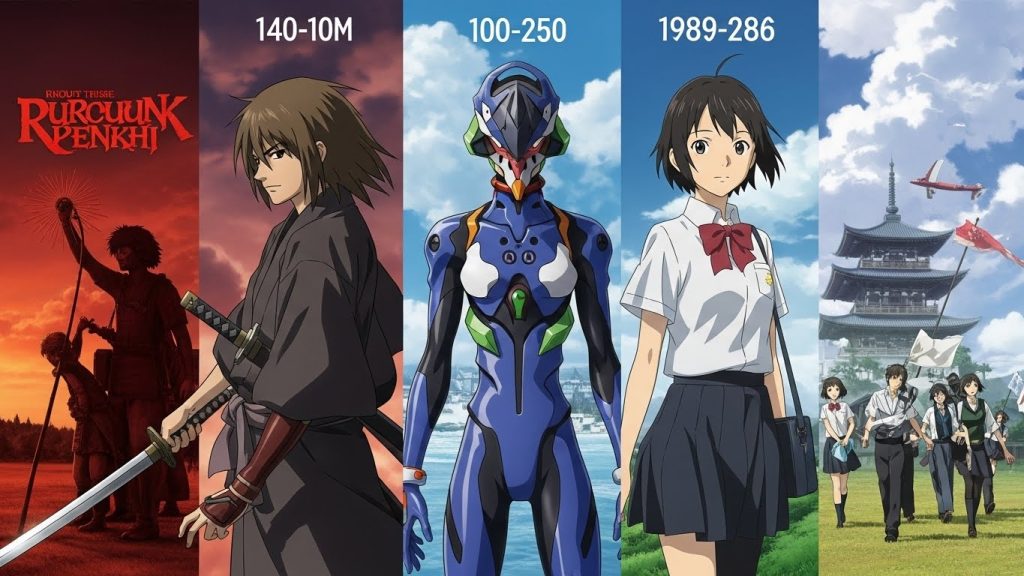
A Journey Through Time: The Impact of Historical Events on Japanese Anime
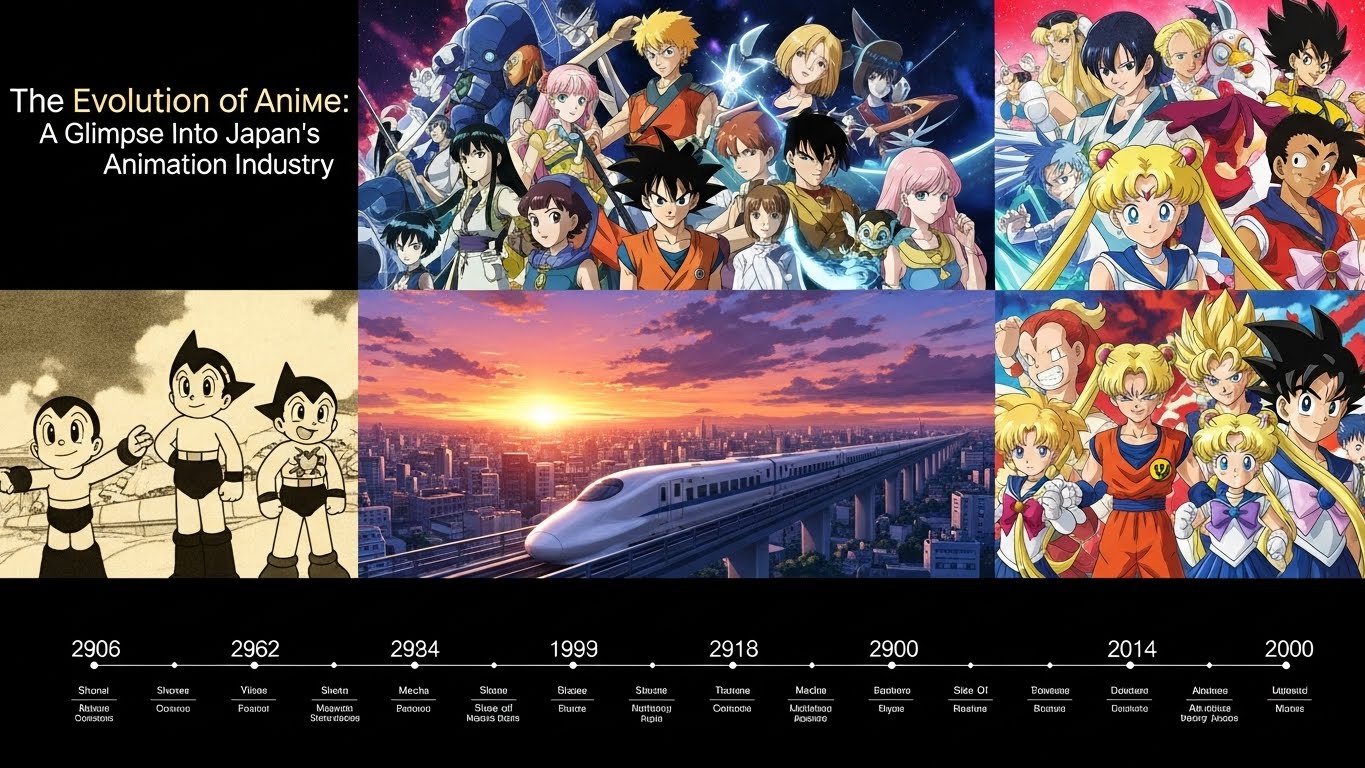
Japan’s vibrant culture has always fascinated the world, and its animation style, anime, has become a global phenomenon. What many may not realize is how deeply intertwined anime is with Japan’s historical events. From the aftermath of World War II to contemporary issues, these events have shaped the narratives, themes, and artistic styles of anime. This blog post explores the profound impact of Japanese history on its anime, highlighting key epochs and their influence on this artistic medium.
The Post-War Era: Rebirth through Animation
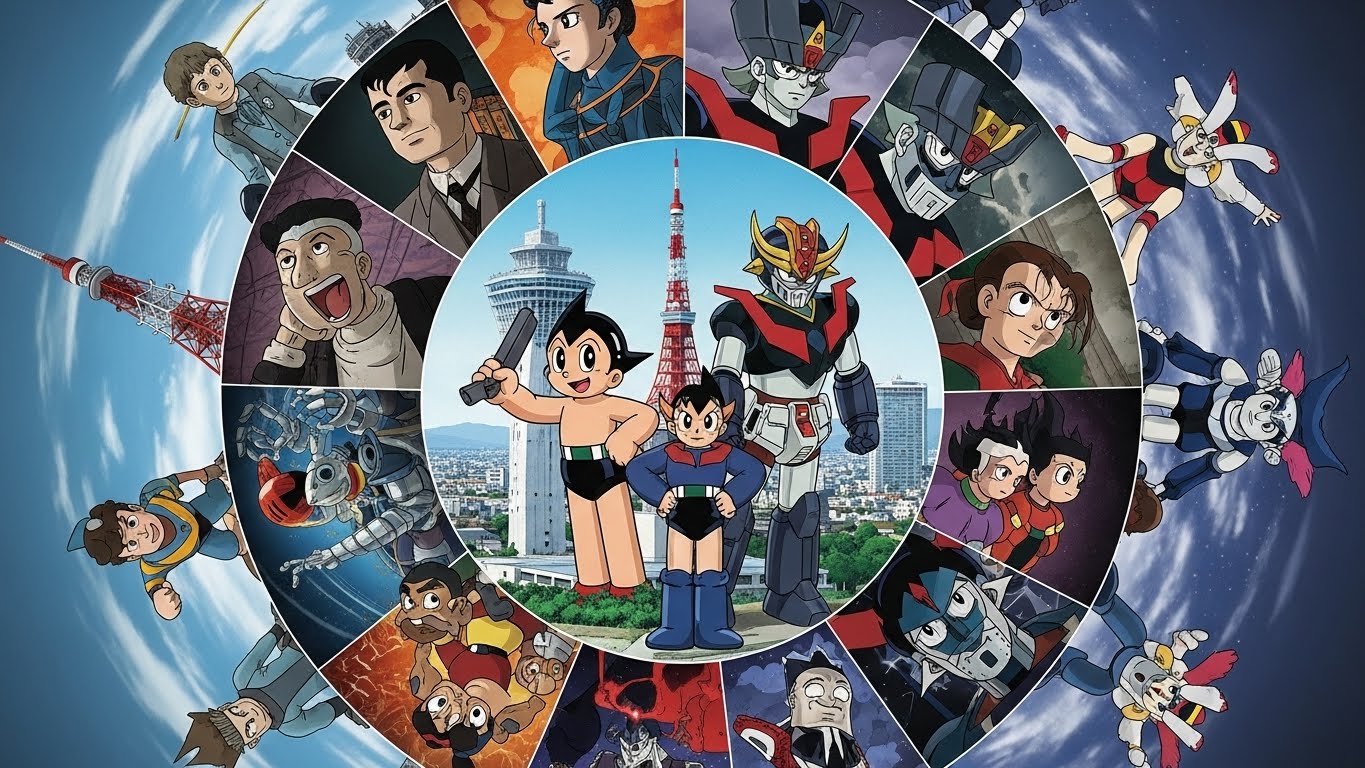
In the aftermath of World War II, Japan faced a period of reconstruction and cultural reevaluation. This era marked the beginning of modern anime. The economic hardship and societal changes of the time influenced the emergence of anime as a form of affordable entertainment. Osamu Tezuka, often dubbed the “God of Manga,” was instrumental in this transformation. His creation, Astro Boy (1963), not only captivated audiences with its innovative storytelling and animation style but also dealt with themes of humanity and technology—a reflection of the post-war technological boom.
Tezuka’s work laid the groundwork for future anime creators, who used the medium to comment on contemporary social issues while offering an escape from the grim realities of post-war Japan. The themes of resilience and rebuilding prevalent in early anime continue to resonate in modern series.

The Economic Boom and the Rise of Cyberpunk
The 1980s saw Japan experiencing an economic boom, resulting in increased consumerism and technological advancement. This period also witnessed the rise of the cyberpunk genre within anime, characterized by futuristic settings and a blend of high-tech and low-life. Akira (1988), directed by Katsuhiro Otomo, stands as a quintessential example of this genre. Set in a dystopian future Tokyo, Akira explores themes of governmental corruption, social unrest, and the impact of unchecked technological power. It reflects the anxieties of a rapidly changing society unsure of its future direction.
During this time, anime also began to gain international acclaim, with works like Akira and Ghost in the Shell (1995) influencing Western filmmakers and audiences. The economic prosperity of Japan in the ’80s allowed for higher production values, leading to visually stunning and narratively complex anime that pushed the boundaries of the medium.
The 1990s: Identity Crisis and Psychological Exploration
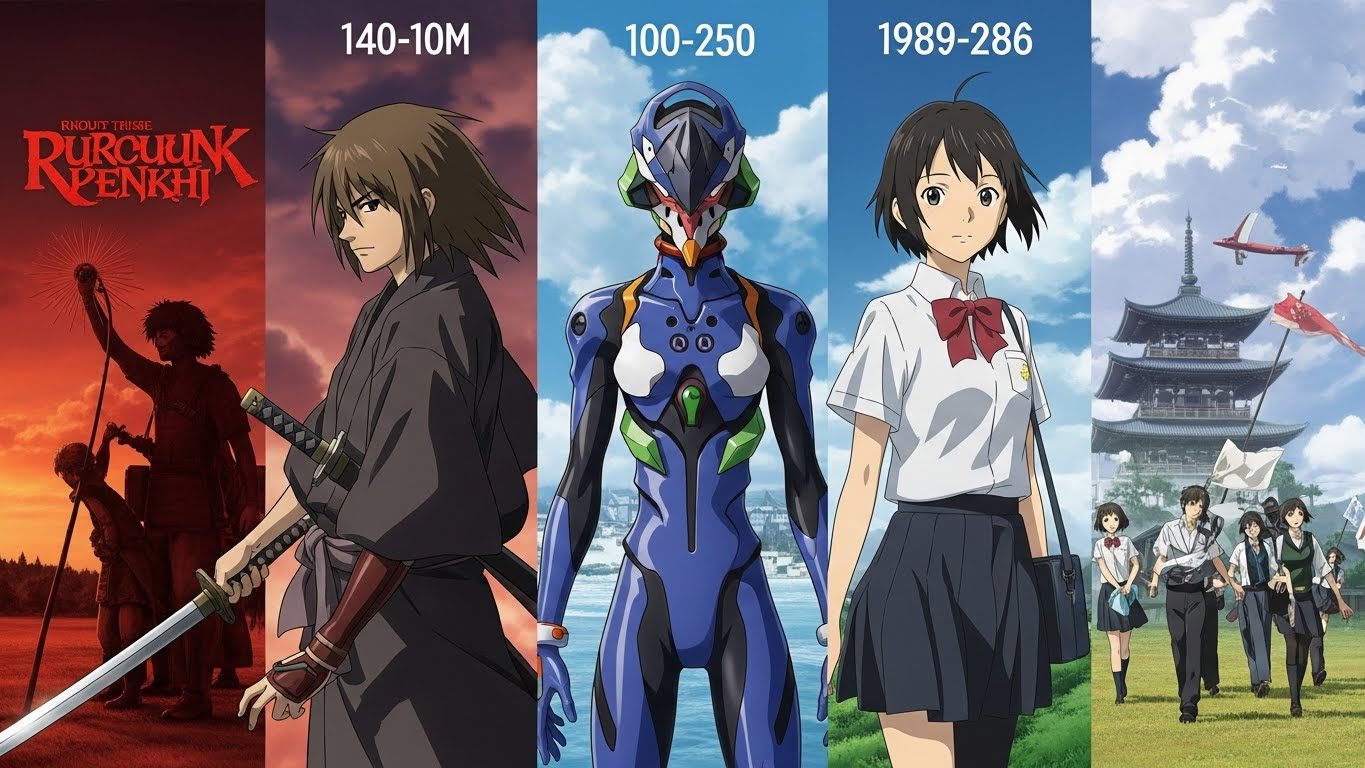
The bubble burst of Japan’s economy in the early 1990s brought about a period of reflection and uncertainty, which was mirrored in the introspective nature of anime produced during this time. Series like Neon Genesis Evangelion (1995) delved into complex psychological and existential themes, questioning identity, purpose, and the nature of reality itself. Creator Hideaki Anno used the series as a platform to explore his own struggles with depression and societal disillusionment, a sentiment shared by many Japanese citizens facing economic hardship.
Explorations of identity and existential dread became prevalent themes, with anime serving as a medium for cultural introspection. The 1990s solidified anime’s reputation as a form of art capable of deep psychological and philosophical exploration, appealing to older audiences and expanding its demographic reach.
The New Millennium: Global Influence and Cultural Exchange
As Japan entered the 21st century, anime continued to evolve, becoming a symbol of cultural exchange and globalization. The internet facilitated the global distribution and consumption of anime, transforming it into a cultural phenomenon. Studio Ghibli’s Spirited Away (2001), directed by Hayao Miyazaki, became the first anime film to win an Academy Award, marking a significant milestone in anime’s international recognition.
The themes within anime began to reflect a more interconnected world, exploring issues like environmentalism, globalization, and the human cost of technological advancement. Series such as Attack on Titan (2013) and My Hero Academia (2016) continue to attract global audiences by addressing universal themes of freedom, oppression, and the pursuit of justice.
Contemporary Themes: Social Issues and Diversity
In recent years, anime has increasingly addressed contemporary social issues such as mental health, gender identity, and diversity. Series like March Comes in Like a Lion (2016) and Yuri!!! on Ice (2016) tackle topics such as depression and LGBTQ+ representation, reflecting changing societal attitudes within Japan and worldwide.
With the advent of streaming platforms, anime has become more accessible than ever, fostering a diverse global fanbase. This has encouraged creators to explore a wider range of narratives and themes, ensuring that anime remains a relevant and dynamic form of storytelling.
Conclusion: Anime as a Reflection of Japanese Society
Throughout its history, anime has served as a mirror to Japanese society, reflecting its triumphs, struggles, and evolving cultural identity. From the resilience of the post-war era to the existential explorations of the 1990s, anime has documented Japan’s journey through time in a uniquely artistic manner. As anime continues to gain global popularity, its ability to address universal themes while remaining deeply rooted in Japanese culture ensures its lasting impact on audiences worldwide.
The future of anime is bright, with creators continuing to innovate and push the boundaries of the medium. As they do so, they will undoubtedly continue to draw inspiration from Japan’s rich history, ensuring that anime remains a vital part of the cultural landscape for generations to come.
Technological Innovations: Shaping the Future of Anime
As technology rapidly evolves, so too does the world of anime. The integration of new technologies such as artificial intelligence, virtual reality, and advanced computer graphics is reshaping the anime production process and the viewer experience. Studios like Polygon Pictures and Orange are pioneering the use of 3D CGI to create visually stunning and immersive worlds. This technological shift is not only changing the aesthetics of anime but also broadening the scope of storytelling possibilities.
Moreover, the rise of virtual reality experiences offers fans a new way to engage with their favorite anime worlds. Virtual reality platforms allow fans to step into the shoes of beloved characters, offering immersive experiences that were once the stuff of science fiction. These innovations demonstrate the potential for anime to continue evolving alongside technological advancements, ensuring its relevance in a digital age.
Anime Fandom: A Global Community
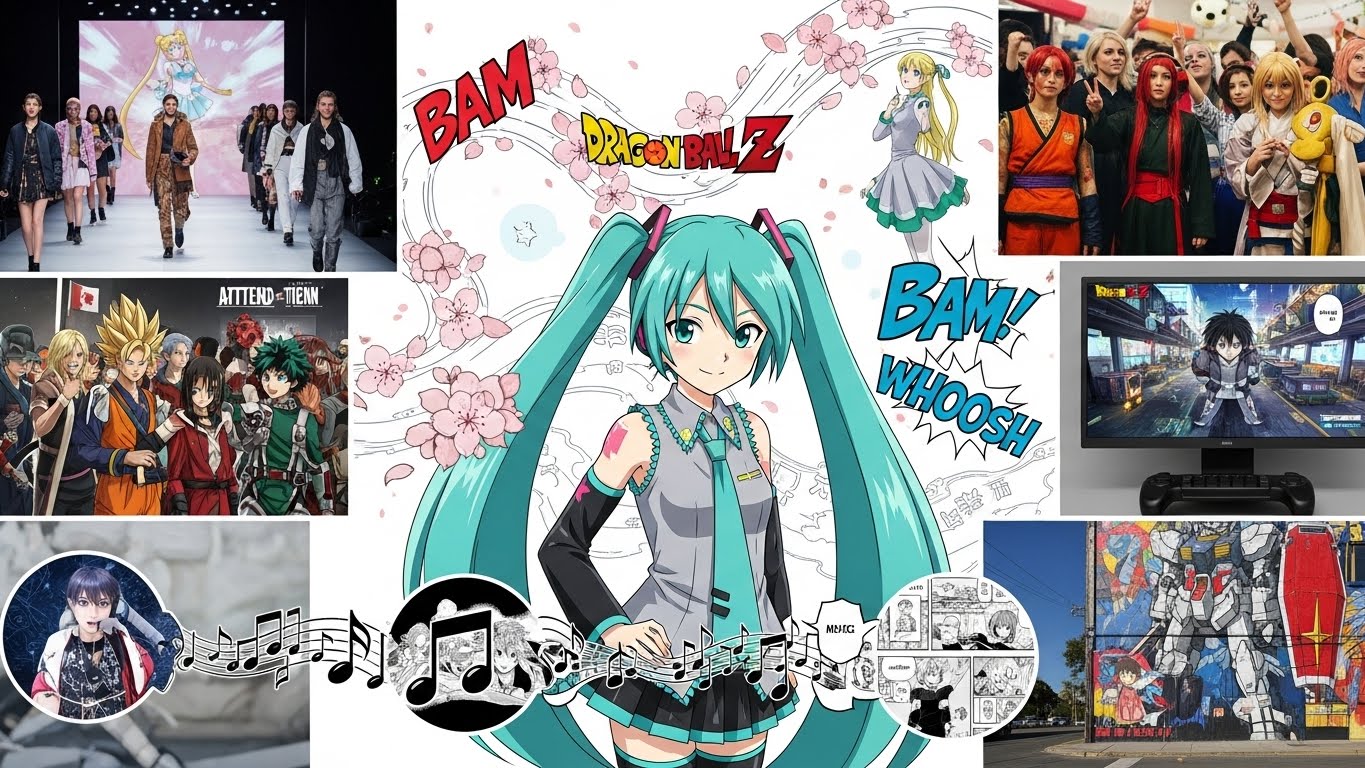
The global anime community is a testament to the medium’s widespread appeal and cultural impact. Conventions like Anime Expo and Comic-Con International attract thousands of fans from around the world, providing spaces for enthusiasts to celebrate their shared love for anime. These gatherings are not only cultural exchanges but also opportunities for fans to influence the industry by voicing their preferences and supporting diverse narratives.
Fan culture plays a significant role in anime’s global success. Online platforms such as Reddit, Tumblr, and Anime News Network foster communities where fans discuss, critique, and celebrate anime. This digital connectivity has empowered fans to directly influence the industry, as studios increasingly pay attention to global fan feedback when creating new content.
The Economic Impact of Anime
Anime is a significant contributor to Japan’s economy, generating billions of yen in revenue annually. The industry’s economic impact extends beyond Japan’s shores, influencing global markets through merchandise, video games, and streaming services. Companies like Netflix and Crunchyroll have invested heavily in anime, recognizing its potential to attract a diverse audience and boost subscriber numbers.
The success of anime franchises such as Pokémon and Nintendo‘s offerings highlight anime’s far-reaching influence on various entertainment sectors. These franchises have become cultural icons, with their branding extending into toys, clothing, and even theme parks, solidifying anime’s status as a cornerstone of popular culture.
Challenges and Future Prospects
Despite its successes, the anime industry faces several challenges. The intense production schedules and demanding work conditions for animators have raised concerns about sustainability and workforce well-being. Industry stakeholders are increasingly advocating for fair labor practices and better working conditions to ensure the longevity of anime production.
Additionally, as anime continues to gain global popularity, there is a push for more diverse storytelling that resonates with international audiences. Studios are beginning to collaborate with international creators and explore new genres and themes, broadening anime’s appeal and ensuring its continued growth in the global market.
Conclusion: Anime’s Lasting Legacy
Japanese anime stands as a powerful cultural force, continually adapting and evolving in response to historical events, technological advancements, and global trends. As a medium, it offers a unique blend of entertainment and social commentary, providing insight into Japan’s evolving cultural landscape while resonating with audiences worldwide.
The journey of anime through time is a testament to its resilience and capacity for innovation. As it navigates future challenges and opportunities, anime will undoubtedly continue to captivate viewers and inspire creators, maintaining its place as an essential part of global pop culture. Whether through traditional storytelling or new technological frontiers, anime remains a dynamic and influential art form that reflects the complexities of human experience across time and space.