Behind the Scenes: An Exclusive Insight into Japan’s Top Anime Studios
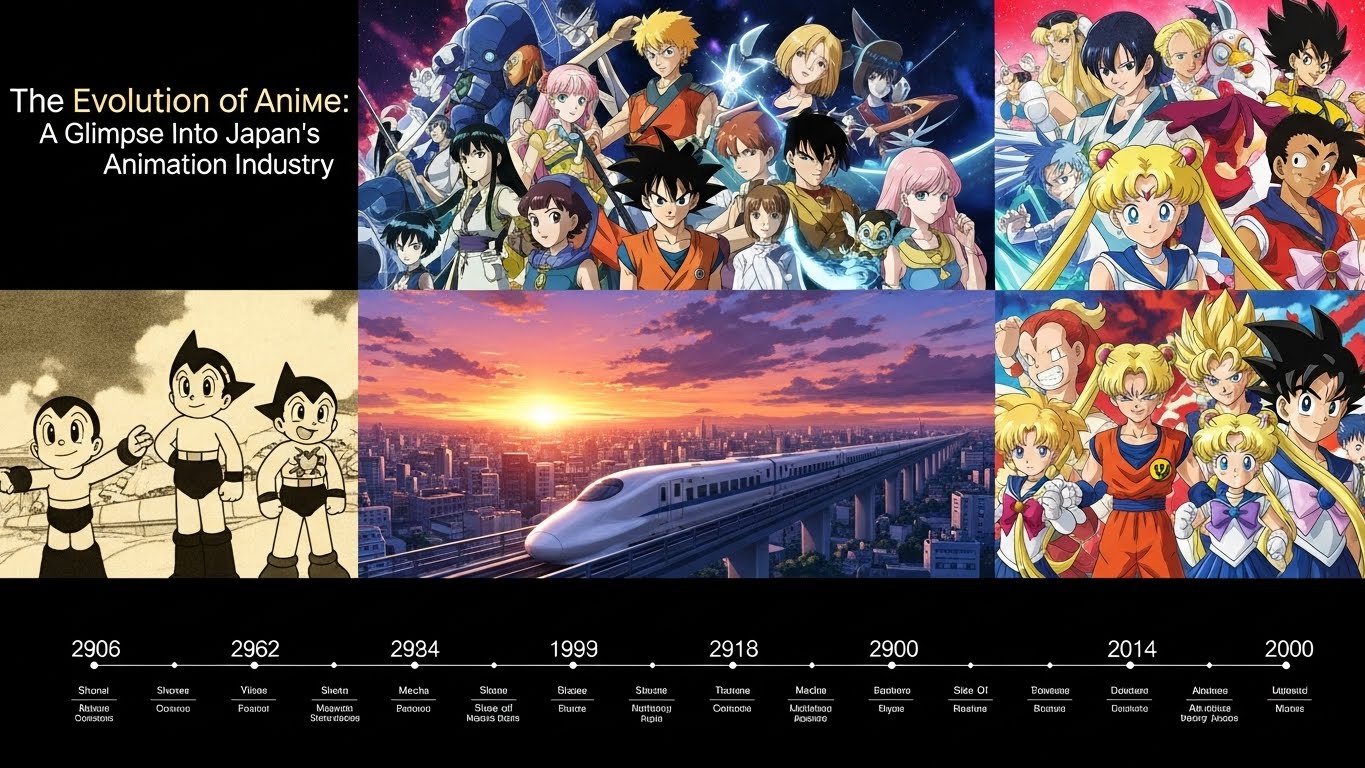
Anime has become a global phenomenon, captivating audiences with its unique storytelling, vibrant visuals, and compelling characters. At the heart of this cultural wave are the anime studios in Japan, where creativity and innovation come to life. This blog post takes you behind the scenes of some of Japan’s top anime studios, offering a glimpse into their operations, history, and contributions to the world of anime.
The Role of Anime Studios in Japan
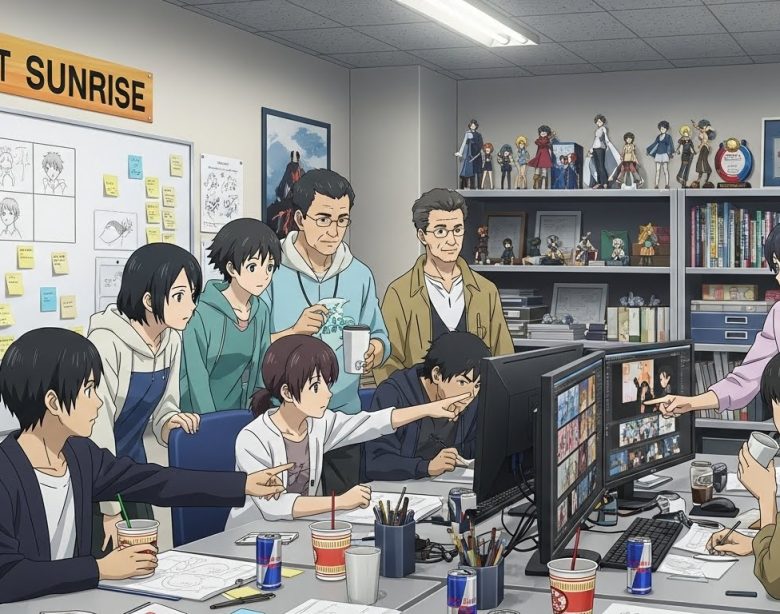
Anime studios are the creative powerhouses responsible for bringing manga and original stories to animated life. These studios employ a myriad of talented individuals, including directors, animators, writers, and voice actors, each playing a crucial role in the anime production process. From conceptualizing storyboards to the final editing touches, anime studios are where magic happens.
Japan’s anime industry is a significant contributor to the country’s economy, with the market size reaching approximately 2 trillion yen in recent years. This economic impact underscores the importance of anime studios as cultural and financial pillars in Japan.
Exploring Iconic Anime Studios
Studio Ghibli: The Heart of Japanese Animation
When discussing top anime studios, Studio Ghibli inevitably comes to mind. Founded in 1985 by legendary directors Hayao Miyazaki and Isao Takahata, Studio Ghibli has produced some of the most iconic animated films, including Spirited Away and My Neighbor Totoro. Known for its hand-drawn animation style and poignant storytelling, Studio Ghibli continues to influence animators worldwide.

The studio’s commitment to traditional animation techniques and environmental themes has earned it numerous awards, including an Academy Award for Spirited Away in 2003. To learn more about their creative process and history, you can visit the Ghibli Museum, which offers an insider look at the studio’s production techniques and philosophy.
Toei Animation: The Birthplace of Anime Giants
Toei Animation is another cornerstone of the anime industry, known for producing long-running series such as Dragon Ball, Sailor Moon, and One Piece. Established in 1948, Toei Animation has been a pioneer in the anime industry, adapting numerous manga into beloved animated series.
With a focus on both domestic and international markets, Toei Animation has expanded its reach globally, contributing to the widespread popularity of anime. The studio’s ability to adapt and innovate has kept it at the forefront of the industry, making it a key player in the anime world.
Madhouse: A Studio of Innovation
Madhouse, founded in 1972, is renowned for its diverse range of anime, from the psychological thriller Death Note to the action-packed Hunter x Hunter. The studio is celebrated for its willingness to experiment with different genres and animation styles, pushing the boundaries of what anime can achieve.
Madhouse’s collaboration with international directors, such as Satoshi Kon, has resulted in critically acclaimed works like Perfect Blue and Paprika. This global perspective and openness to innovation have cemented Madhouse’s reputation as a leading anime studio.
Understanding the Anime Production Process
The creation of an anime series or film is a complex process involving several stages, each crucial to the final product. Here’s a breakdown of the typical production process:
Pre-Production
During pre-production, the studio develops the concept and script. Storyboards are created to visualize the narrative, and character designs are finalized. This stage sets the foundation for the entire project, ensuring that the story is cohesive and engaging.
Production
In the production phase, animators bring the storyboards to life through hand-drawn frames or digital animation techniques. Background artists create detailed environments, while sound designers and composers add audio elements to enhance the storytelling experience.
The attention to detail during production is what sets anime apart, with studios often spending months or even years perfecting their work. This dedication to quality is evident in the stunning visuals and immersive worlds that anime fans have come to love.
Post-Production
Post-production involves editing the animated sequences, adding special effects, and finalizing the sound and music. Voice actors record dialogue, bringing characters to life with their performances. Once complete, the anime is ready for distribution and marketing.
Anime studios often collaborate with streaming platforms and distributors to reach a wider audience, ensuring that their work can be appreciated by fans worldwide. The rise of streaming services has further expanded the accessibility of anime, allowing studios to connect with new fans across the globe.
The Future of Anime Studios in Japan
As technology advances and global interest in anime continues to grow, Japanese anime studios face both opportunities and challenges. The demand for high-quality animation and innovative storytelling remains strong, pushing studios to continuously evolve and adapt.
Many studios are embracing digital animation and CGI to enhance their productions, while others remain committed to traditional techniques. This diversity in approach allows for a rich variety of anime styles, catering to a wide range of preferences and tastes.
Moreover, collaborations with international creators and companies are becoming more common, offering fresh perspectives and ideas that enrich the anime industry. The future of anime studios is bright, with endless possibilities for creativity and storytelling.
Takeaways
Japan‘s top anime studios are more than just production houses; they are cultural institutions that shape the global perception of anime. Through their commitment to quality and innovation, these studios have created timeless works that resonate with audiences worldwide.
As we continue to enjoy the captivating worlds they create, it’s essential to recognize the hard work and dedication that goes into every frame and story. Whether you’re a long-time fan or new to the world of anime, understanding the inner workings of these studios offers a deeper appreciation for this beloved art form.
For further exploration into the world of anime, you might consider visiting the Anime News Network, a valuable resource for the latest news and insights into the anime industry. As we look to the future, there’s no doubt that Japan’s anime studios will continue to inspire and entertain generations to come.
The Impact of Anime Studios on Global Culture
Beyond their artistic contributions, anime studios in Japan have significantly influenced global culture. The themes explored in anime, ranging from personal growth and friendship to environmentalism and existentialism, resonate with audiences worldwide. The universal appeal of these narratives has helped anime transcend cultural barriers, fostering a global community of fans.
Anime conventions and fan gatherings, such as Anime Expo and Comiket, are testament to the widespread impact of anime. These events celebrate the creativity and passion of fans, showcasing cosplay, fan art, and discussions that highlight the deep connection between anime and its audience.
Education and Career Opportunities in Anime
The success and popularity of anime have also opened up educational and career opportunities. Many universities and institutions now offer courses in animation and film studies, encouraging the next generation of animators and storytellers to hone their craft. Programs often include hands-on experience with industry-standard software and techniques, preparing students for successful careers in the anime industry.
Furthermore, internships and collaborations with established studios provide aspiring animators with invaluable insights and experience. This support for emerging talent ensures the continued growth and innovation within the anime industry, as new voices and perspectives are introduced.
The Challenges Facing Anime Studios
Despite their success, anime studios face several challenges, including the pressures of tight production schedules and the demand for high-quality content. The grueling work hours and competitive nature of the industry can lead to burnout and affect the well-being of employees.
To address these issues, some studios are prioritizing the mental health and work-life balance of their staff. Initiatives such as flexible work hours and mental health support are being implemented to create a more sustainable work environment.
Additionally, the industry is exploring ways to streamline production processes and embrace new technologies to alleviate some of the pressures faced by studios. By investing in the well-being of their teams and optimizing workflows, anime studios can continue to produce exceptional content while supporting their employees.
Conclusion: The Everlasting Influence of Japanese Anime Studios
Japanese anime studios have left an indelible mark on the world of entertainment. Their commitment to storytelling excellence and artistic innovation has captivated audiences and inspired countless creators. As the anime industry continues to evolve and expand, these studios remain at the forefront, pushing the boundaries of what is possible in animation.
Whether through exploring complex themes, creating unforgettable characters, or embracing new technologies, anime studios in Japan will undoubtedly continue to shape the future of entertainment. As fans, creators, and industry professionals, we can look forward to the enduring legacy of these remarkable studios and the stories they bring to life.
For those eager to delve deeper into the world of anime and its creators, resources such as the Japan Times offer insightful articles and interviews. As we celebrate the achievements of Japan’s top anime studios, it’s clear that their impact will continue to resonate for generations to come.