How Japanese Anime Influences Global Pop Culture
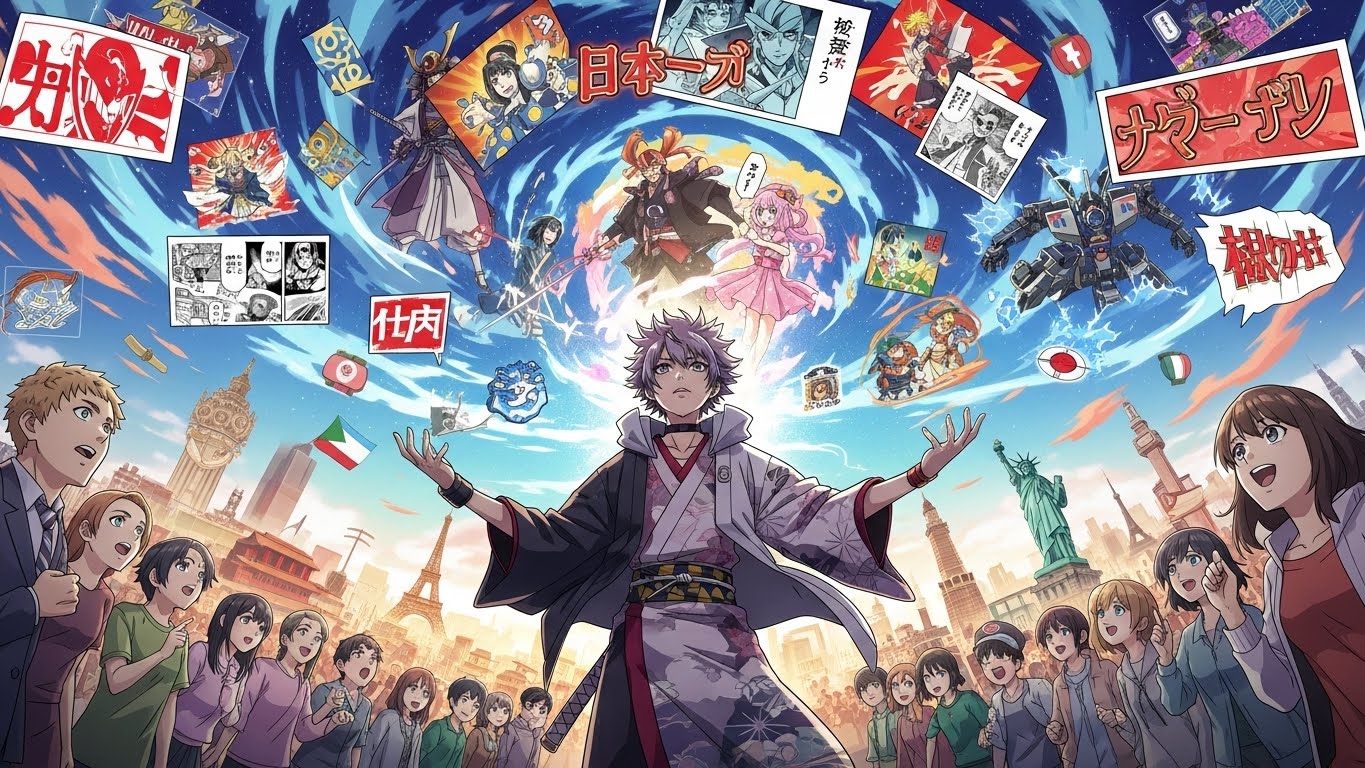
Japanese anime, with its vibrant storytelling and distinctive art style, has transcended cultural barriers to become a cornerstone of global pop culture. From its humble beginnings in Japan to its widespread acceptance worldwide, anime has captivated audiences of all ages. This blog post explores the profound influence of Japanese anime on global pop culture, examining its history, key genres, and the way it shapes entertainment, fashion, and social trends.
The Emergence of Anime
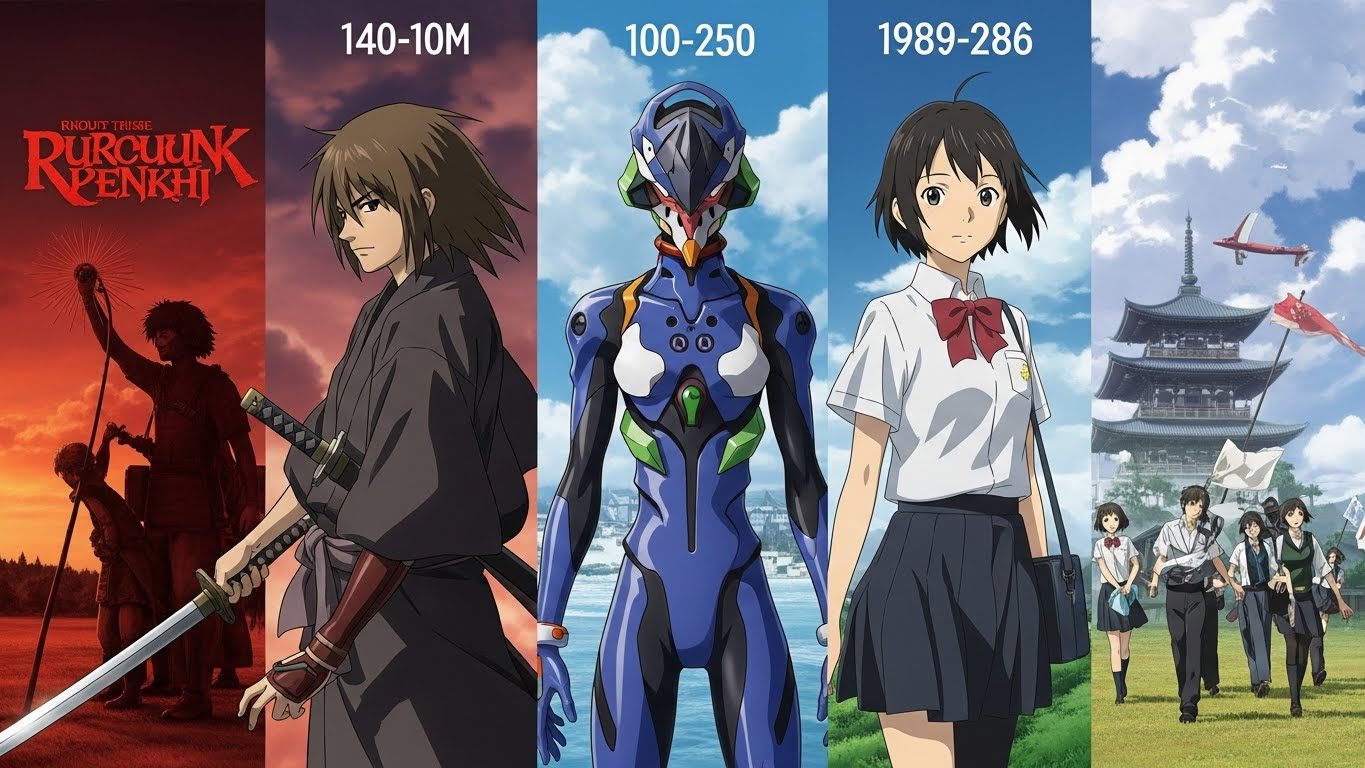
Anime’s origins can be traced back to the early 20th century, evolving significantly over the decades. The post-World War II era marked a pivotal moment for anime, as creators drew inspiration from Western animation while developing unique styles that would define the genre. The establishment of animation studios like Toei Animation and the visionary work of directors such as Osamu Tezuka laid the groundwork for anime’s global appeal.
Tezuka, often referred to as the “God of Manga,” was instrumental in blending cinematic techniques with animated storytelling. His pioneering work in series like Astro Boy revolutionized the medium, setting the stage for anime’s expansion beyond Japan. As television became more accessible, anime’s reach grew, capturing international audiences and setting the stage for its influence on pop culture.
Anime Genres and Their Global Appeal
Anime’s diverse genres cater to a wide range of tastes, contributing to its universal appeal. From action-packed shonen series like Dragon Ball Z to the heartwarming slice-of-life narratives in My Neighbor Totoro, there is something for everyone. The availability of various genres allows anime to resonate with audiences across different cultures and age groups.

Another significant genre is manga, which often serves as the source material for anime adaptations. Manga’s popularity has surged globally, with fans eagerly anticipating anime versions of their favorite stories. The streaming services have played a crucial role in making anime accessible, providing subtitles and dubs that bridge language barriers.
Impact on Global Entertainment
The influence of anime on entertainment is undeniable, with numerous Hollywood films and television shows drawing inspiration from its unique storytelling and visual aesthetics. Directors like Quentin Tarantino and Guillermo del Toro have cited anime as a major influence on their work, showcasing its impact on cinematic narratives and styles.
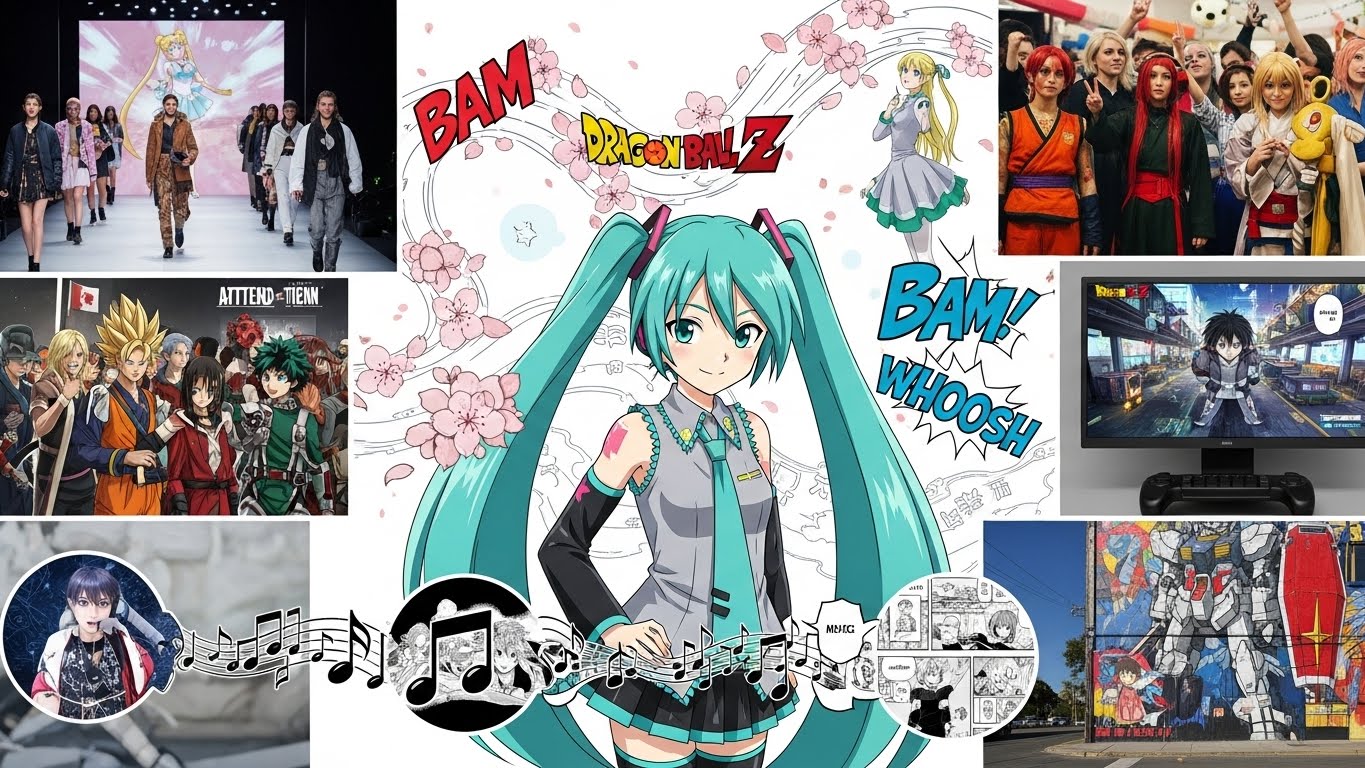
Anime’s reach extends to the video game industry as well, where its art style and storytelling mechanics have inspired countless titles. Games like Final Fantasy and Persona blend anime aesthetics with interactive gameplay, attracting players worldwide. The integration of anime elements into mainstream media has further solidified its place in global pop culture.
The Fashion and Cosplay Phenomenon
Anime’s influence is also evident in the fashion world, where its bold designs and characters inspire trends. The phenomenon of cosplay—where fans dress as their favorite anime characters—has become a global subculture. Cosplay conventions attract thousands of enthusiasts who celebrate anime through elaborate costumes and performances.
Fashion designers have also embraced anime aesthetics, incorporating its vibrant color palettes and unique designs into their collections. This crossover reflects anime’s impact on fashion, blurring the lines between fantasy and reality and influencing trends worldwide.
Social and Cultural Impacts
Beyond entertainment and fashion, anime has played a role in shaping social and cultural dialogues. Its narratives often explore complex themes such as identity, morality, and societal issues, encouraging viewers to reflect on their own lives. Series like Death Note and Attack on Titan delve into philosophical questions, prompting discussions that resonate globally.
Anime’s portrayal of diverse characters and stories promotes inclusivity, providing representation for audiences who may not see themselves in mainstream media. This aspect of anime fosters a sense of community among fans, who connect over shared experiences and narratives that transcend cultural boundaries.
The Role of Technology in Anime’s Expansion
The digital age has been pivotal in anime’s global proliferation. The rise of streaming platforms has made anime more accessible than ever before, allowing fans to watch their favorite series on-demand. Social media platforms like Twitter and Instagram have facilitated fan communities, where enthusiasts share fan art, theories, and discussions about upcoming releases.
Technology has also enabled the production of high-quality animation, with advancements in CGI and digital tools enhancing the visual storytelling of anime. These technological strides have allowed creators to push the boundaries of what is possible, resulting in visually stunning works that captivate audiences worldwide.
Conclusion: Anime’s Enduring Legacy
In conclusion, Japanese anime has profoundly influenced global pop culture, leaving an indelible mark on entertainment, fashion, and social discourse. Its universal appeal lies in its ability to convey complex stories through visually striking art, resonating with audiences across cultural and linguistic divides. As anime continues to evolve and reach new heights, its impact on global pop culture will undoubtedly endure, inspiring future generations of creators and fans alike.
Anime’s journey from a niche cultural export to a global phenomenon underscores its power to unite people through storytelling. As the anime industry continues to innovate and expand, its influence on pop culture will only grow stronger, shaping the narratives and aesthetics of tomorrow’s entertainment landscape.
The Future of Anime in Global Pop Culture
Looking ahead, the future of anime in global pop culture appears promising, with several trends and developments indicating its continued growth and influence. As technology advances and global connectivity increases, anime’s reach is set to expand even further, offering new opportunities for creators and fans alike.
One significant trend is the increasing collaboration between Japanese studios and international partners. Co-productions and partnerships with Western companies are becoming more common, resulting in projects that blend diverse storytelling techniques and cultural perspectives. This collaborative approach not only enriches the creative process but also broadens anime’s appeal to a wider audience.
Additionally, the rise of virtual reality (VR) and augmented reality (AR) technologies presents exciting possibilities for anime. Immersive experiences that allow fans to step into the worlds of their favorite series could redefine how audiences engage with anime content. As these technologies become more accessible, they have the potential to revolutionize the way stories are told and experienced.
Anime’s Influence on Emerging Creators
Anime’s impact extends beyond its audience, inspiring a new generation of creators who draw from its rich history and innovative storytelling. Aspiring animators, writers, and artists from around the world often cite anime as a major influence on their work, leading to a diverse array of projects that incorporate anime-inspired elements.
The accessibility of digital tools and platforms has empowered independent creators to produce and share their own anime-inspired content. Online platforms like YouTube and Patreon have become valuable resources for these creators, allowing them to reach global audiences without traditional gatekeepers. This democratization of content creation fosters a more inclusive and diverse anime community, where new voices and perspectives can thrive.
The Role of Anime in Education and Cultural Exchange
Beyond entertainment, anime has found a place in educational and cultural exchange initiatives. Its storytelling often incorporates historical, cultural, and philosophical elements, offering educational value alongside entertainment. Educators and cultural institutions have recognized anime’s potential as a tool for teaching and cross-cultural understanding.
Programs that incorporate anime into language learning, history lessons, and cultural studies are becoming increasingly popular. These initiatives not only engage students but also promote a deeper appreciation for different cultures and perspectives. By leveraging anime’s universal appeal, educators can create enriching learning experiences that foster global awareness and empathy.
Challenges and Opportunities in the Anime Industry
Despite its success, the anime industry faces several challenges that could impact its future growth. Issues such as labor conditions, production costs, and the sustainability of traditional business models remain significant concerns. Addressing these challenges will require industry-wide efforts to ensure that creators are supported and that the industry can continue to thrive.
However, these challenges also present opportunities for innovation and growth. The increasing demand for diverse and inclusive content has prompted studios to explore new storytelling avenues and representation. By embracing change and adapting to evolving audience preferences, the anime industry can continue to expand its influence and reach new heights.
Conclusion: Celebrating Anime’s Global Impact
As we celebrate the profound influence of Japanese anime on global pop culture, it’s clear that its impact goes far beyond entertainment. Anime has become a powerful force for creativity, cultural exchange, and social dialogue, uniting fans across the globe through its compelling narratives and stunning visuals.
The journey of anime from a niche cultural phenomenon to a mainstream cultural powerhouse is a testament to its universal appeal and enduring relevance. As anime continues to evolve and inspire, its legacy will live on, shaping the future of storytelling and creativity for generations to come. Whether through captivating new series, innovative technologies, or cross-cultural collaborations, anime’s influence on global pop culture is set to endure, leaving an indelible mark on the world stage.
For those eager to explore more about the fascinating world of anime, numerous resources and communities await, each offering a glimpse into the vibrant tapestry of stories and characters that define this beloved medium. As anime continues to capture hearts and minds worldwide, its role in shaping global pop culture remains as dynamic and influential as ever.