How Japanese Anime Influences Global Pop Culture
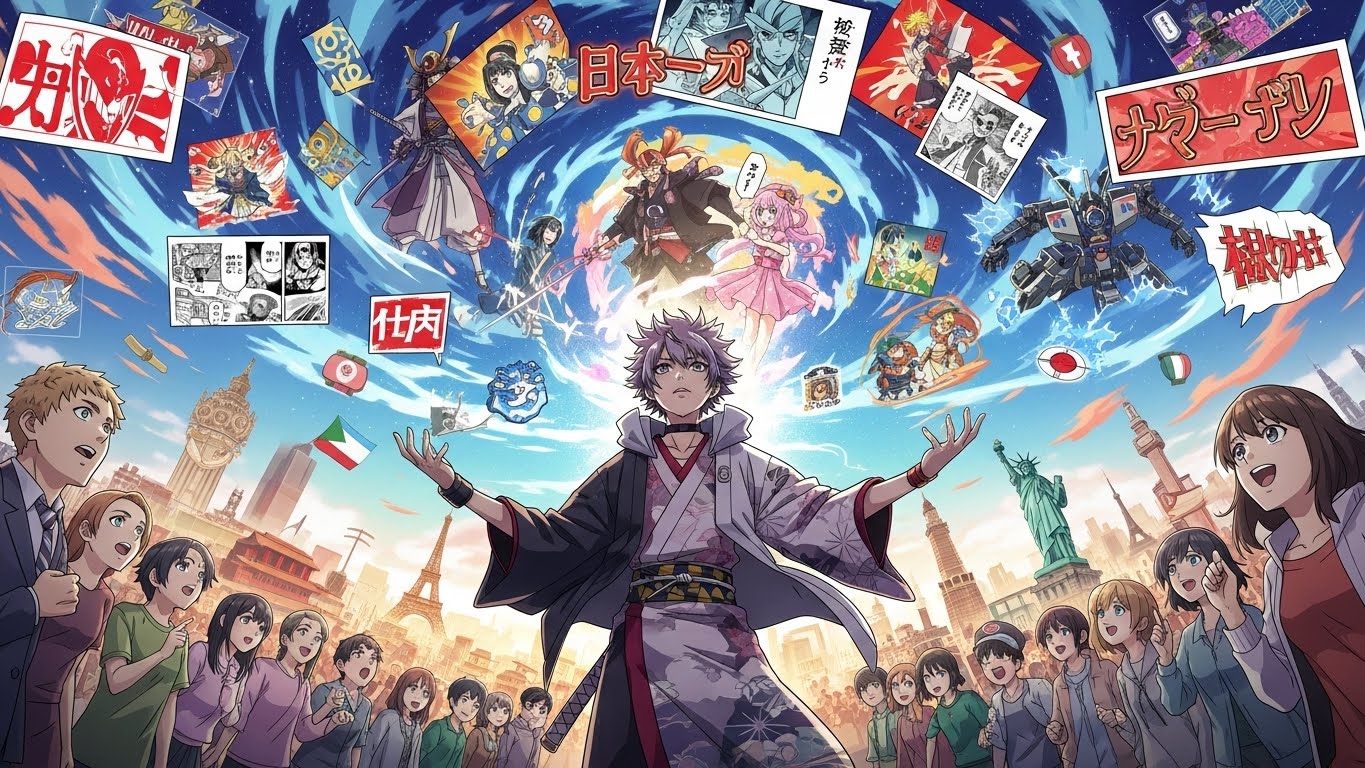
Japanese anime has transcended cultural boundaries to become a significant part of global pop culture. Over the past few decades, it has evolved from a niche interest to a mainstream phenomenon, influencing everything from fashion and music to gaming and film. This blog post will explore the multifaceted impact of Japanese anime on global popular culture, dissecting its role in shaping trends, creating subcultures, and fostering cross-cultural exchanges.
The Origins and Evolution of Anime
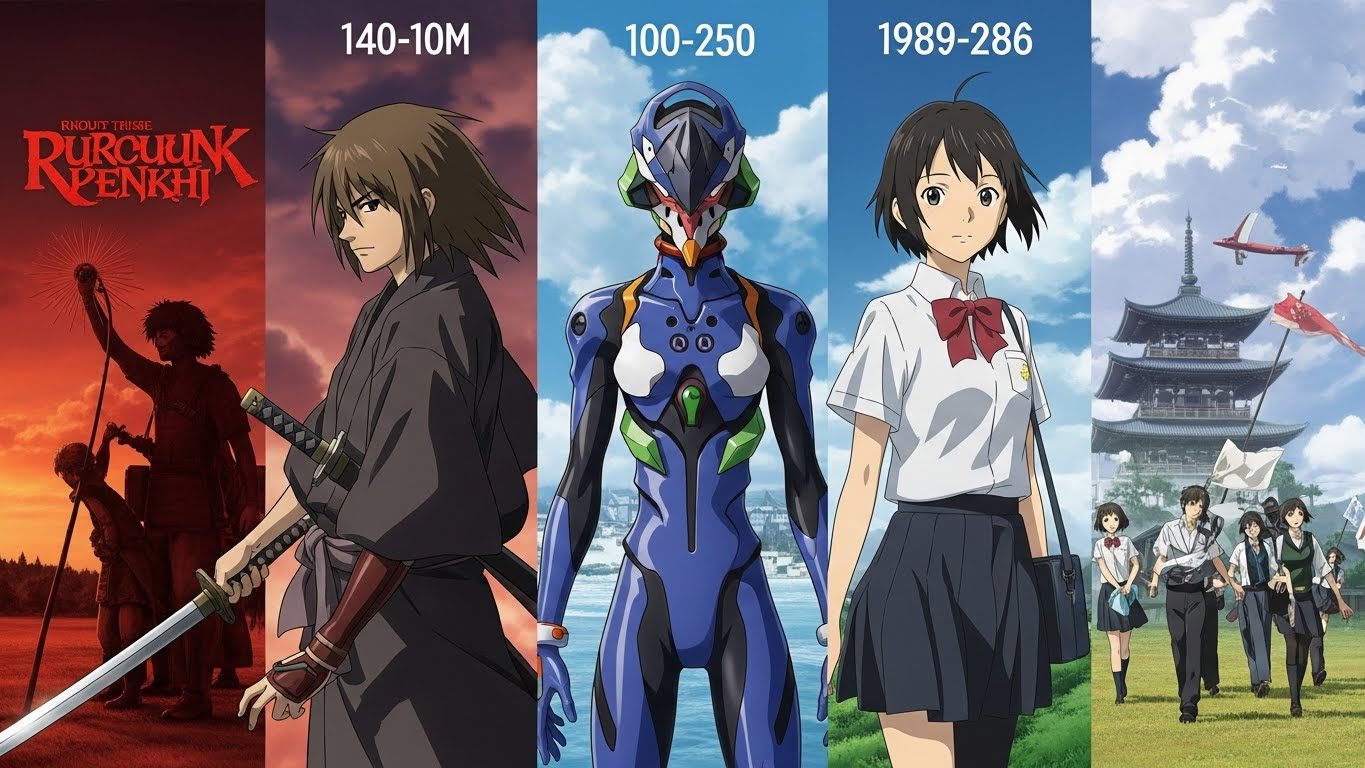
To understand how anime has become such a global force, it’s crucial to examine its origins and evolution. Anime, a style of animation originating from Japan, began in the early 20th century. However, it wasn’t until the 1960s that anime started to gain a foothold, thanks to pioneering works like Astro Boy by Osamu Tezuka. By the 1980s and 1990s, anime had begun to gain international recognition, driven by classics such as Akira, Dragon Ball, and Sailor Moon.
These titles were instrumental in establishing anime’s reputation for sophisticated storytelling, complex characters, and unique artistic styles. As anime continued to evolve, its themes broadened, and its art style diversified, captivating a global audience. Today, anime is a pillar of Japanese culture and a global cultural export that has captured the imaginations of millions worldwide.
Anime’s Impact on Fashion and Aesthetics

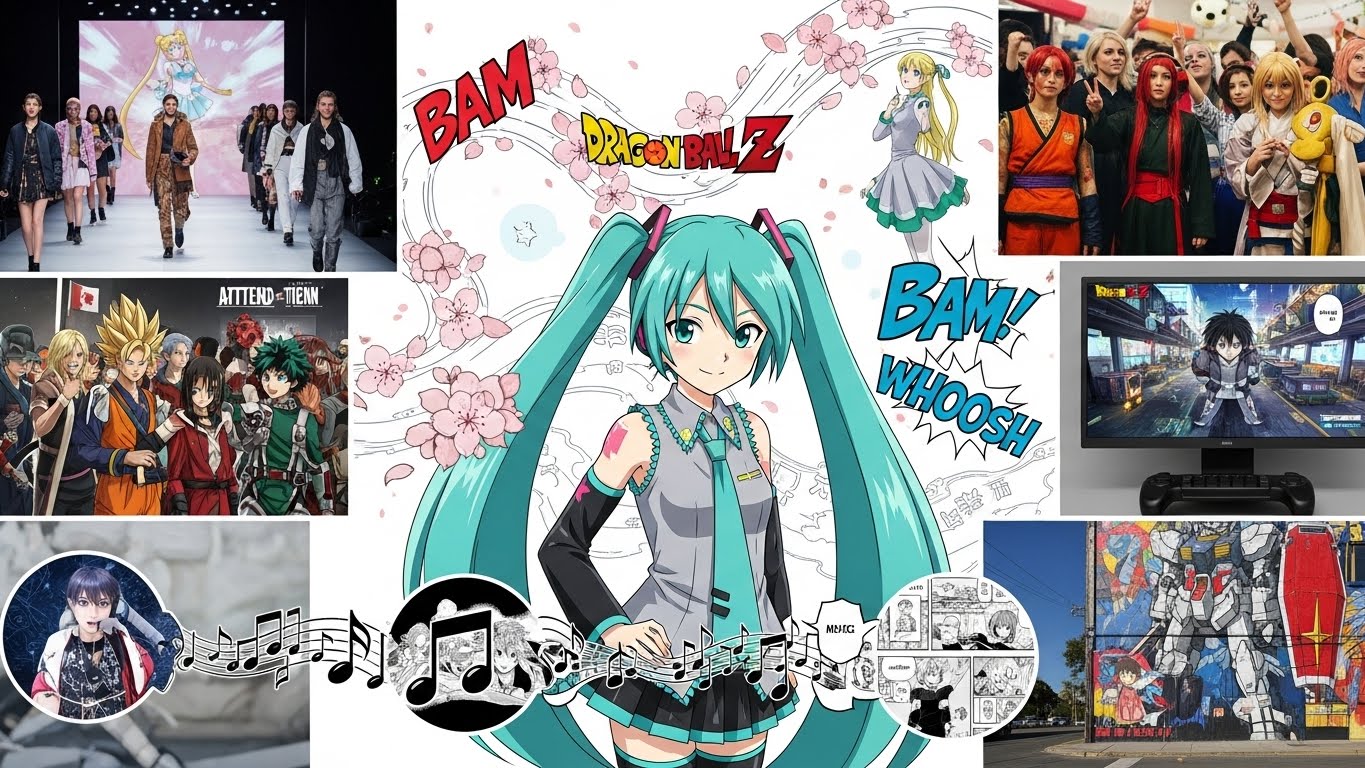
Anime has significantly influenced global fashion and aesthetics. The vibrant colors, distinctive character designs, and unique fashion styles found in anime series have inspired countless designers and fashionistas worldwide. Major fashion brands like Louis Vuitton and Gucci have incorporated anime-inspired elements into their collections, recognizing the style’s appeal to younger, trend-savvy consumers.
Additionally, the phenomenon of cosplay—where fans dress up as their favorite anime characters—has become a worldwide subculture. Events like Comic-Con and Anime Expo attract thousands of cosplayers, showcasing the global reach and influence of anime-inspired fashion. These events provide a platform for cultural exchange and creativity, further embedding anime into the global fashion landscape.
Anime in Film and Television
Anime’s influence on global film and television is unmistakable. Directors such as Guillermo del Toro and the Wachowskis have cited anime as an inspiration for their work. The Matrix trilogy, for instance, was heavily influenced by anime classics like Ghost in the Shell and Ninja Scroll. Anime’s distinctive visual style and its ability to convey complex narratives have inspired filmmakers to explore new storytelling techniques.
Anime has also made its mark in the realm of television, with shows like Pokémon and Yu-Gi-Oh! achieving worldwide popularity. These series not only became household names but also spearheaded the globalization of anime, demonstrating its universal appeal. Streaming platforms such as Netflix and Crunchyroll have further bolstered anime’s global presence, making it more accessible than ever to international audiences.
The Influence of Anime on Video Games
The video game industry has been significantly shaped by anime, with many games drawing inspiration from anime art styles and storytelling. Iconic video games like Final Fantasy and Kingdom Hearts exemplify this blend of anime aesthetics and interactive gameplay. These games have captivated audiences with their intricate storylines, character development, and immersive worlds.
Moreover, the popularity of anime-themed video games has led to the creation of dedicated game genres, such as visual novels and JRPGs (Japanese Role-Playing Games), further solidifying anime’s influence on the gaming industry. These games not only entertain but also introduce players to Japanese culture and storytelling traditions, fostering cross-cultural appreciation and understanding.
Anime’s Role in Music and Performance Art
Anime has also left its mark on music and performance art. The opening and ending themes of anime series often become hits in their own right, with artists like LiSA and Kenshi Yonezu gaining international fame. These songs frequently top music charts and are performed at global music festivals, showcasing anime’s impact on the music industry.
The influence of anime extends beyond music charts, inspiring performance art forms such as stage plays and live-action adaptations. In Japan and beyond, live-action adaptations of popular anime series have brought beloved characters to life, offering fans an immersive experience that blends traditional theater with contemporary storytelling.
Anime as a Medium for Cultural Exchange
Beyond its aesthetic and entertainment value, anime serves as a medium for cultural exchange, introducing audiences to Japanese language, customs, and traditions. Anime series often incorporate elements of Japanese folklore, history, and social norms, providing viewers with insights into Japanese culture. This exposure has spurred interest in learning the Japanese language and exploring Japanese culture among international fans.
Moreover, anime conventions and fan communities foster cross-cultural interactions, enabling fans from diverse backgrounds to connect over shared interests. These interactions promote mutual understanding and appreciation, breaking down cultural barriers and contributing to a more interconnected global community.
Conclusion: Anime’s Enduring Legacy in Global Pop Culture
In conclusion, Japanese anime has profoundly influenced global pop culture, shaping trends across fashion, film, music, and beyond. Its ability to transcend cultural boundaries and resonate with audiences worldwide underscores its enduring appeal and significance. As anime continues to evolve and expand its reach, it will undoubtedly play an even more substantial role in shaping global cultural landscapes.
For more insights into the cultural impact of anime and its role in fostering global connections, explore resources such as the Japanese Government’s Cultural Affairs Agency and the Anime News Network. These platforms offer valuable perspectives on the ever-evolving world of anime and its influence on international pop culture.
The Future of Anime in a Digital Age
As technology continues to advance, the future of anime looks brighter than ever. The digital age has opened up new avenues for anime creators to reach global audiences, with streaming platforms playing a pivotal role in this expansion. Services like Netflix, Hulu, and Amazon Prime have broadened the availability of anime, making it easier for fans worldwide to access new and classic series alike.
In addition, the rise of social media has allowed for greater fan interaction and community building. Fans can now engage directly with creators, participate in discussions, and share fan art across platforms like Twitter, Instagram, and TikTok. This connectivity not only strengthens the global anime community but also provides creators with immediate feedback, influencing the direction of future projects.
Technological Innovations Enhancing Anime Production
The integration of cutting-edge technology has revolutionized anime production. Techniques such as computer-generated imagery (CGI) and 3D animation have enhanced the visual quality of anime, allowing for more dynamic and intricate scenes. These innovations have expanded the creative possibilities for animators, enabling them to push the boundaries of the medium.
Moreover, the use of artificial intelligence and machine learning in animation processes is beginning to streamline production workflows, reducing time and cost while maintaining high-quality output. This technological evolution not only benefits creators but also enriches the viewing experience for audiences, offering more visually stunning and immersive anime series.
Exploring New Genres and Themes
As anime continues to evolve, creators are exploring new genres and themes, addressing contemporary issues and reflecting societal changes. Recent anime series have tackled themes such as mental health, environmental concerns, and gender identity, resonating with a diverse audience that seeks representation and relatability in media.
The exploration of these themes not only highlights anime’s versatility as a storytelling medium but also reinforces its role as a cultural mirror, reflecting the complexities and nuances of modern society. This trend suggests that anime will continue to be a relevant and influential force in global pop culture, adapting to the shifting interests and values of its audience.
Anime’s Role in Education and Academia
Beyond entertainment, anime has found a place in education and academia. Universities and educational institutions worldwide are incorporating anime into their curricula, examining its artistic, cultural, and historical significance. Courses on anime studies delve into topics such as narrative structure, animation techniques, and cultural symbolism, offering students a deeper understanding of this influential medium.
Furthermore, anime is being used as an educational tool to teach language and cultural studies. Language learners benefit from watching anime in its original Japanese language with subtitles, improving their listening and comprehension skills. This educational application of anime not only enhances language acquisition but also fosters a greater appreciation for Japanese culture and storytelling.
Conclusion: Embracing Anime’s Global Journey
As we look to the future, it’s clear that Japanese anime will continue to play a pivotal role in shaping global pop culture. Its ability to adapt, innovate, and resonate with diverse audiences ensures its enduring relevance and influence. Whether through technological advancements, the exploration of new themes, or its role in education, anime’s journey is one of continuous evolution and expansion.
For more information on anime’s cultural impact and its ongoing evolution, consider exploring resources like the Japan Foundation and the Crunchyroll News. These platforms offer valuable insights into the world of anime and its contributions to global culture. As anime continues to captivate hearts and minds worldwide, its legacy as a cultural phenomenon is assured for generations to come.