The Evolution of Animation Techniques in Anime: A Closer Look at the Industry’s Innovation
The world of anime is renowned for its unique storytelling and stunning visual artistry, captivating audiences globally. Over the years, anime has undergone a significant evolution in animation techniques, profoundly influencing both the art and its consumption. This evolution didn’t happen overnight; it is the result of decades of innovation, cultural shifts, and technological advancements. In this article, we will delve into the key developments in anime animation techniques, exploring how these changes have shaped the industry and continue to redefine its future.
The Early Days: Cel Animation
The journey of anime animation techniques begins with cel animation, a process that was dominant in the early 20th century. This traditional method involved creating images on transparent sheets known as cels. Each cel was painstakingly hand-drawn and painted, then layered over static backgrounds to create motion. This labor-intensive process was the standard for anime production for decades, shaping classics like Astro Boy and Speed Racer.
Despite its time-consuming nature, cel animation allowed artists to experiment with colors and designs, contributing to anime’s distinct aesthetic appeal. The limitations of cel animation also led to creative innovations, as artists had to work within the confines of their medium to express dynamic motion and emotion.
For a deeper understanding of cel animation and its impact on the anime industry, one can explore various resources that delve into its historical significance.
The Transition to Digital Animation

The transition from cel to digital animation marked a significant shift in anime production. The digital revolution in the late 1990s and early 2000s introduced new tools that streamlined the animation process, reducing production times and costs. Digital technology enabled animators to create more complex scenes and incorporate intricate details that were difficult to achieve with cel animation.
Software like Adobe After Effects and Toonz became integral to anime production, allowing for smoother transitions, enhanced visual effects, and more vibrant color palettes. This era saw the rise of renowned studios like Studio Ghibli and Madhouse, which embraced digital techniques while maintaining the artistic integrity of their works.
Digital animation also opened doors to exploring new genres and storytelling methods, as seen in series like Neon Genesis Evangelion and Ghost in the Shell. These shows pushed the boundaries of what could be achieved, both visually and narratively, in anime.
3D Animation and CGI: New Horizons
The integration of 3D animation and CGI (Computer-Generated Imagery) has further expanded the possibilities within the anime industry. Initially met with skepticism due to concerns over losing the traditional anime aesthetic, 3D animation has gradually gained acceptance as artists have found ways to blend it seamlessly with 2D elements.
Studios like Polygon Pictures and Orange are pioneers in this realm, producing visually stunning series like Ajin: Demi-Human and Beastars. By leveraging CGI, these studios have been able to create dynamic action sequences and richly detailed environments that enhance the storytelling experience.
Moreover, CGI has facilitated the creation of large-scale projects and realistic character animations, which were previously unattainable. As technology continues to advance, the line between 2D and 3D animation is becoming increasingly blurred, offering exciting new opportunities for anime creators.
The Role of Artificial Intelligence in Animation

Artificial Intelligence (AI) is the latest frontier in anime animation techniques, promising to revolutionize the industry once again. AI technology is being utilized to automate labor-intensive tasks such as in-betweening and rendering, significantly speeding up production timelines.
AI-driven tools are also being developed to enhance creative processes, from generating background art to crafting complex character animations. These innovations allow artists to focus more on the creative aspects of storytelling and less on repetitive tasks, fostering a more efficient and imaginative production environment.
Researchers and developers are exploring the potential of AI to create more personalized and interactive anime experiences, paving the way for new forms of engagement with audiences. For insights into how AI is reshaping the anime industry, there are many articles and studies available that highlight its transformative impact.
The Impact of Streaming Platforms
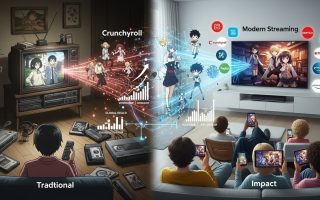
The rise of streaming platforms has had a profound impact on the distribution and production of anime. Services like Netflix and Crunchyroll have not only increased global accessibility but also changed how anime is produced and consumed. These platforms provide a space for diverse and niche content, encouraging creators to experiment with different styles and genres.
Streaming platforms have also led to an increased demand for high-quality animation, pushing studios to adopt the latest techniques to meet viewer expectations. This demand has spurred innovation, as studios strive to produce content that stands out in a crowded marketplace.
The global reach of streaming services has helped anime gain a foothold in international markets, fostering a worldwide fanbase and increasing the industry’s influence. To explore how streaming platforms are shaping the anime landscape, one can find numerous articles and analyses detailing their impact.
The Future of Anime Animation
As we look to the future, the evolution of anime animation techniques shows no signs of slowing down. Emerging technologies such as virtual reality (VR) and augmented reality (AR) are already being explored as potential tools for creating immersive anime experiences. These technologies hold the promise of transforming how audiences interact with anime, offering new dimensions of engagement and storytelling.
Furthermore, the increasing globalization of anime is likely to continue shaping its evolution, as creators draw inspiration from diverse cultures and artistic styles. This cross-pollination of ideas will likely lead to innovative animation techniques and storytelling methods that further enrich the anime medium.
For those interested in the future trends of anime animation, there are various discussions and forecasts available that explore potential developments and challenges.
Takeaways
The evolution of animation techniques in anime is a testament to the industry’s resilience and creativity. From the meticulous artistry of cel animation to the cutting-edge advancements of AI and CGI, anime has continually adapted to technological changes while maintaining its unique identity. As new innovations emerge, the anime industry stands poised to explore uncharted territories, captivating audiences with fresh stories and breathtaking visuals. Whether as a fan, creator, or industry observer, the future of anime offers exciting possibilities and endless inspiration.
The journey of anime’s evolution is not only a narrative about technological advancements but also a reflection of cultural shifts and the expanding influence of global audiences. As the industry continues to innovate, the synergy between technology and artistry becomes more pronounced, allowing creators to push creative boundaries and explore new storytelling paradigms.
Collaborations and International Influence
In recent years, international collaborations have become increasingly common in the anime industry. Western companies are investing in anime productions, and cross-cultural partnerships are bringing fresh perspectives to the medium. These collaborations have introduced new artistic styles and narratives that appeal to a global audience, enriching the diversity of anime content.
For example, the collaboration between Studio Trigger and Netflix on BNA: Brand New Animal showcases how international partnerships can lead to innovative storytelling and high-quality production. Similarly, the influence of Western animation styles has led to the creation of hybrid anime series that blend different animation techniques, appealing to both Eastern and Western audiences.
To explore the impact of international collaborations on anime, various articles and interviews with industry professionals provide valuable insights.
Challenges Facing the Anime Industry
Despite the advancements and opportunities, the anime industry faces several challenges that could impact its future growth. One significant issue is the intense workload and demanding schedules faced by animators, which can lead to burnout and affect the quality of productions. This problem is compounded by the industry’s reliance on freelance animators, who often face unstable employment conditions.
Moreover, the rapid pace of technological change requires continuous adaptation and upskilling, which can be daunting for smaller studios with limited resources. Balancing artistic vision with commercial demands also poses a challenge, as creators strive to innovate while meeting audience expectations and market trends.
Addressing these challenges is crucial for sustaining the industry’s growth and ensuring the well-being of its creators. Initiatives such as improved working conditions, fair compensation, and investment in training and education are essential steps toward a more sustainable future for anime. For a comprehensive overview of the challenges facing the anime industry, numerous reports and analyses offer critical perspectives.
The Role of Fans in Shaping Anime
The passionate fanbase of anime plays a crucial role in driving the industry’s innovation and evolution. Fans not only consume content but also actively participate in the creation of fan art, fan fiction, and fan conventions, fostering a sense of community and engagement. This active involvement provides valuable feedback to creators, influencing the direction of future productions.
Furthermore, the rise of social media has amplified the voices of fans, enabling them to connect with creators and other fans worldwide. This interaction has led to a more dynamic and responsive industry, where creators can gauge audience reactions in real-time and adjust their work accordingly.
The impact of fans is evident in the success of crowdfunding campaigns for anime projects, where fan support has brought numerous independent projects to fruition. The role of fans in shaping the anime landscape is a testament to the collaborative nature of this vibrant community.
Conclusion: An Ever-Evolving Art Form
Anime, as an art form, is continuously evolving, shaped by technological innovations, cultural exchanges, and the passionate involvement of its fanbase. As the boundaries of what is possible in animation expand, anime remains a dynamic and influential medium that resonates with audiences across the globe.
The journey of anime’s evolution is far from over. With emerging technologies and global collaborations, the industry is poised to explore new frontiers, creating stories that captivate and inspire. As anime continues to evolve, it will undoubtedly leave an indelible mark on the world of animation, pushing the limits of creativity and storytelling.
Whether you are a long-time aficionado or a newcomer to the world of anime, the future promises exciting developments and captivating narratives that will enrich the cultural tapestry of animation. As we look forward to what lies ahead, we celebrate the ingenuity and passion that drive the ever-evolving art of anime.