The Impact of Streaming Platforms on the Anime Industry
The world of anime has experienced a seismic shift in recent years, largely driven by the rapid proliferation of streaming platforms. Once a niche interest confined to specific cultural circles, anime has now become a global phenomenon, accessible to audiences worldwide. This transformation is attributed to the rise of streaming services, which have revolutionized how anime is produced, distributed, and consumed. In this article, we delve into the multifaceted impact of streaming platforms on the anime industry, exploring everything from production processes to audience reach and cultural influence.
Revolutionizing Access and Distribution
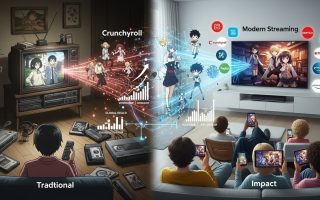
Streaming platforms have dramatically altered the way audiences access anime content. Previously, anime fans had limited options, relying on television broadcasts, DVDs, or illegal downloads. Now, services like Crunchyroll, Netflix, and Funimation provide legal, affordable, and instant access to a vast library of anime titles.
This ease of access has expanded the global reach of anime, breaking down geographical barriers and introducing the genre to new audiences. Viewers from different parts of the world can now enjoy simultaneous releases of new episodes, reducing the lag time that once existed when anime was distributed through traditional channels.
Influence on Anime Production
The way anime is produced has also been influenced by streaming platforms. With the global demand for content, there is a growing need for more diverse and innovative storytelling. Streaming services often invest in original productions, offering creators the financial support and creative freedom to explore unique narratives.
This trend has led to a surge in original anime content, with streaming platforms often acting as co-producers. Such partnerships have enabled the creation of high-quality series that may not have been possible through traditional funding models. This shift not only benefits creators but also enriches the anime landscape with a wider array of genres and themes.

Impact on Traditional Anime Studios
While streaming platforms offer numerous advantages, they also present challenges for traditional anime studios. The demand for quicker production cycles and the need to cater to a global audience can strain resources and impact the artistic quality of anime. Studios now face increased pressure to deliver content that meets the expectations of both domestic and international viewers.
Moreover, the financial structure of streaming deals may not always favor smaller studios, which can struggle to secure the necessary funding for their projects. Despite these challenges, many studios are adapting by forming partnerships with streaming platforms, leveraging these collaborations to access broader distribution channels and financial support.
Cultural Influence and Globalization
As anime becomes more accessible worldwide, its cultural impact has grown significantly. Streaming platforms have facilitated the globalization of anime, allowing it to influence and be influenced by other cultures. This exchange has led to a fusion of styles and storytelling techniques, enriching the medium with new perspectives.
The popularity of anime has also led to increased interest in Japanese culture, contributing to the growth of related industries such as manga, cosplay, and anime conventions. This cultural exchange is further exemplified by the adaptation of anime into live-action movies and series, which are increasingly produced by international filmmakers.
Challenges and Opportunities for the Future
While the impact of streaming platforms on the anime industry is largely positive, there are challenges that need to be addressed to ensure sustainable growth. Issues such as intellectual property rights, fair compensation for creators, and the preservation of artistic integrity remain pressing concerns.
However, the future holds promising opportunities. The continued expansion of streaming services into new markets means that anime will reach even larger audiences. Advances in technology, such as virtual reality and augmented reality, present exciting possibilities for the medium, offering new ways for audiences to engage with anime content.

Takeaways
The advent of streaming platforms has undeniably transformed the anime industry, bringing both challenges and opportunities. By democratizing access to anime and fostering innovation in production, these platforms have propelled the genre to unprecedented heights. As the industry continues to evolve, it will be crucial for creators, studios, and streaming platforms to work collaboratively to address the challenges and harness the potential of this rapidly changing landscape.
Ultimately, the impact of streaming platforms on the anime industry is a testament to the dynamic nature of entertainment in the digital age. As anime continues to captivate audiences around the world, its influence will undoubtedly extend beyond the screen, shaping cultural narratives for years to come.
Fostering Diversity and Inclusivity
One of the more subtle yet significant impacts of streaming platforms on the anime industry is the encouragement of diversity and inclusivity in storytelling. As audiences become more global, there is a growing demand for stories that reflect a wide range of experiences and perspectives. Streaming platforms, with their vast reach, play a crucial role in amplifying diverse voices and narratives.
For instance, series such as “Beastars” and “Carole & Tuesday” have been praised for their exploration of complex social issues and representation of minority voices. These series, supported by streaming services, reflect a shift towards more inclusive storytelling, offering narratives that resonate with a broader audience.
Economic Impacts and Revenue Models
The economic structure of the anime industry has been significantly influenced by the introduction of streaming platforms. Traditionally, anime relied heavily on merchandise sales, DVD sales, and television broadcasting rights for revenue. However, the subscription-based models of streaming services have introduced a new revenue stream.
With a steady influx of subscription fees, there is a more predictable and stable source of income which benefits both creators and producers. This model allows for more experimentation and risk-taking in the types of anime being developed. Furthermore, the global accessibility of streaming platforms means that revenue is no longer confined to regional markets, allowing for greater financial opportunities in previously untapped markets.
The Role of Technology and Innovation
As technology continues to advance, it has a profound impact on how anime is produced and consumed. Streaming platforms are at the forefront of this technological innovation, utilizing advanced algorithms and data analytics to understand viewer preferences and trends. This data-driven approach helps platforms recommend personalized content, enhancing viewer engagement and satisfaction.
Moreover, technology has paved the way for new formats and experiences in anime consumption. Streaming platforms are beginning to explore interactive storylines and immersive experiences using virtual reality, providing fans with new ways to engage with their favorite series. These innovations not only enrich the viewing experience but also open up new creative possibilities for anime creators.
Global Fandom and Community Building
The globalization of anime through streaming platforms has led to the formation of a vibrant and interconnected fan community. Fans from across the world can now connect, discuss, and share their love for anime through social media and online forums. This global fandom has become a driving force in the popularity and success of anime series.
Streaming platforms often foster these communities by providing features such as discussion boards, fan events, and exclusive content like behind-the-scenes documentaries. These initiatives help build a sense of community and keep fans engaged, making them active participants in the anime ecosystem.
The Future of Anime in the Streaming Era
Looking ahead, the future of anime in the streaming era is both exciting and challenging. As streaming platforms continue to evolve, they will likely drive further innovation and creativity within the industry. However, it will be essential to balance the commercial aspects of streaming with the artistic integrity that defines anime as a unique cultural form.
Stakeholders in the anime industry will need to navigate issues such as intellectual property, creator rights, and the preservation of anime’s cultural heritage. By doing so, they can ensure that the industry remains vibrant and sustainable in the long term.
In conclusion, the impact of streaming platforms on the anime industry is profound and multifaceted. By making anime more accessible, fostering diversity, and driving economic growth, these platforms have reshaped the industry in ways that were once unimaginable. As the anime industry continues to adapt to the digital age, it is poised for continued growth and cultural influence on a global scale.
Challenges in Licensing and Copyright
One of the ongoing challenges in the relationship between streaming platforms and the anime industry is the complex web of licensing and copyright issues. As anime reaches a global audience, securing international streaming rights becomes a complicated process involving multiple stakeholders, including production companies, distributors, and licensors.
The intricacies of these agreements can sometimes delay the availability of anime on streaming platforms or lead to regional restrictions, frustrating fans eager for access. Moreover, the balance of power in these negotiations can sometimes skew unfavorably for creators and smaller studios, who may not receive fair compensation for their work. Ensuring equitable revenue sharing and protecting intellectual property rights are crucial steps toward a more sustainable industry.
Educational and Cultural Exchange
Streaming platforms have not only popularized anime but have also functioned as platforms for educational and cultural exchange. By showcasing a diverse array of titles, these platforms expose audiences to Japanese culture, history, and societal norms, fostering cross-cultural understanding.
Educational institutions have started to recognize the value of anime as a tool for cultural studies, integrating it into curricula and using it to discuss broader themes such as identity, globalization, and technology. This exchange enriches both fans and scholars, providing new insights into the cultural narratives embedded within anime.
Fan Contributions and Crowdsourced Creativity
The rise of streaming platforms has also led to increased fan participation in the anime creation process. Fans are more connected than ever, and their feedback, often shared through social media and fan forums, can influence the direction of anime series. Some platforms have even embraced user-generated content, allowing fans to contribute ideas and art through contests and collaborative projects.
This crowdsourcing of creativity blurs the lines between creators and consumers, offering fans a stake in the content they love. It also opens new pathways for aspiring artists and writers, who can showcase their talents and potentially break into the industry.
Environmental and Sustainability Considerations
As with any digital industry, the environmental impact of streaming platforms has become a topic of discussion. The energy consumption associated with data centers and streaming services is significant, prompting a need for more sustainable practices within the industry. Some streaming platforms are beginning to explore green technologies and renewable energy sources to mitigate their carbon footprint.
In tandem, the anime industry can also look towards sustainable production practices, such as reducing waste in animation studios and exploring eco-friendly materials for merchandise. By prioritizing sustainability, the industry can contribute to global environmental goals while continuing to thrive.
Final Thoughts
The influence of streaming platforms on the anime industry is undeniable, marking a new era of accessibility, innovation, and global engagement. While challenges remain, the opportunities presented by these platforms offer a promising future for both creators and fans. By addressing issues such as licensing, sustainability, and fair compensation, the industry can build a more equitable and vibrant ecosystem.
As anime continues to captivate a global audience, it stands as a testament to the power of storytelling and the unifying potential of digital media. The journey of anime in the streaming era is far from over, and its evolution will undoubtedly shape the future of entertainment in profound ways.
For further reading on the evolution of digital media and its impact on global cultures, consider exploring resources like the Pew Research Center and the eMarketer.